

Key Takeaways
Why the First Year Is the Riskiest for New Owners
Buying a new car is one of the larger financial commitments most Americans make. But the purchase itself is only the beginning. The first twelve months introduce a cluster of responsibilities - financial, mechanical, and legal - that many new owners haven't planned for. The mistakes made during this window aren't usually dramatic; they're small oversights that compound quietly until they become expensive or inconvenient problems.
Understanding where things typically go wrong is the most efficient way to sidestep them. The issues below are drawn from the most common patterns among first-year owners - none of them are unusual, and all of them are preventable.
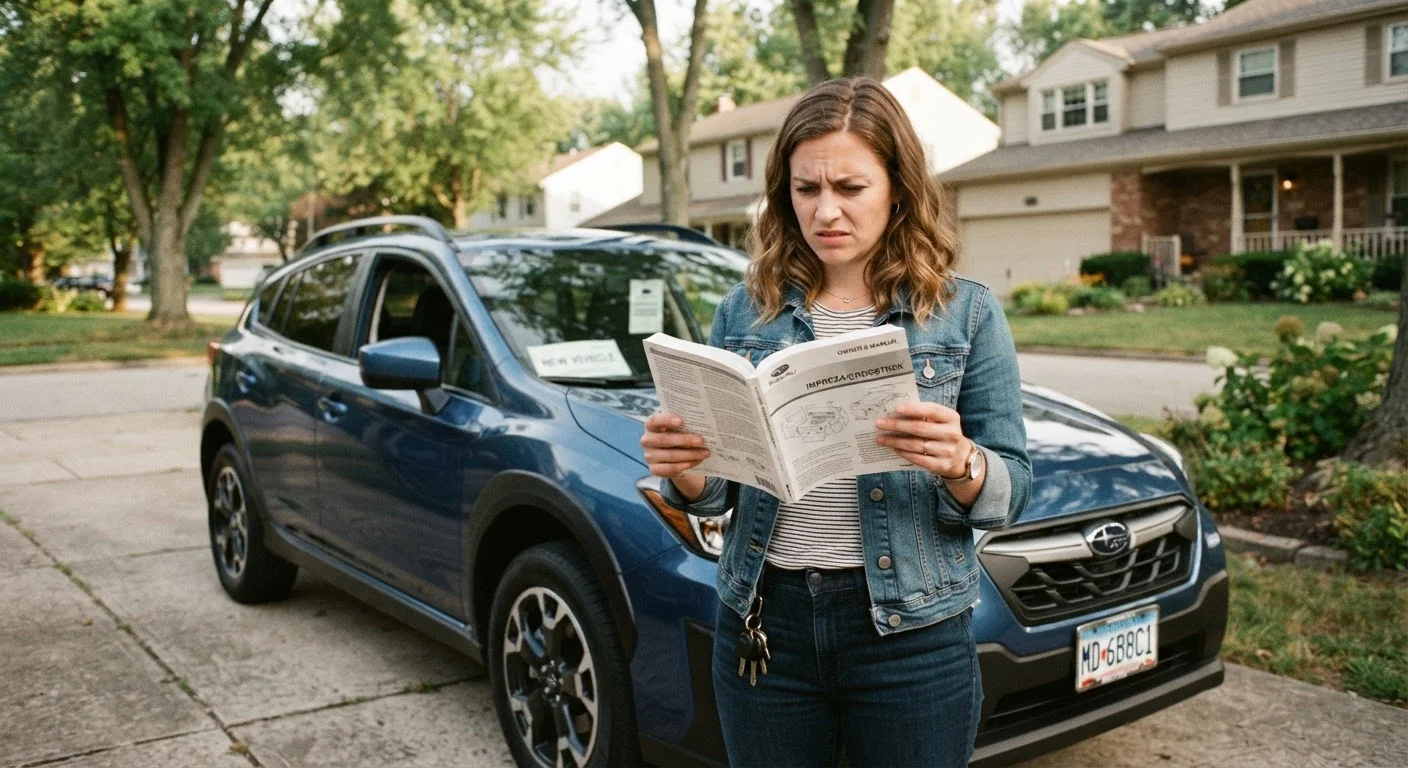
Ignoring the owner's manual entirely after driving off the lot.
Why it happens: The manual feels dense and technical, and most new owners assume general automotive knowledge is sufficient.
Carrying only the state-required minimum auto insurance.
Why it happens: Minimum coverage keeps the monthly premium low, which is appealing when budgets are tight after a purchase.
Neglecting tire pressure and basic fluid checks between service visits.
Why it happens: New owners often assume the dealership or last oil change shop handles everything until the next scheduled visit.
Missing registration renewal, emissions testing, or state inspection deadlines.
Why it happens: These obligations arrive at different times of year, often by mail, and new owners aren't yet accustomed to tracking them.
Budgeting only for the monthly car payment and ignoring total ownership costs.
Why it happens: Loan payment calculators and dealership conversations focus on the monthly figure, making everything else feel secondary.
Not knowing what to do in the immediate aftermath of an accident.
Why it happens: The stress of a collision makes it easy to forget protocol, and most new owners haven't thought through the scenario in advance.
Building Habits That Protect Your Investment
Most of the mistakes above share a common thread: they happen when ownership responsibilities are treated as one-time events rather than ongoing habits. A car requires a small, consistent investment of attention to stay reliable and retain value.
Missing Maintenance Windows Can Void Your Warranty
Most new vehicles come with a manufacturer's warranty that carries specific maintenance requirements. Skipping or significantly delaying scheduled service - particularly oil changes - can give the manufacturer grounds to deny a warranty claim. Keep dated receipts for every service visit as documentation.
Start with your car maintenance baseline: know your oil change interval, tire rotation schedule, and cabin air filter replacement window - all of which are in your owner's manual. Then layer in the administrative side: registration dates, insurance renewal periods, and any state-specific inspection requirements.
For driving and road safety, the same principle applies. Knowing the right response before an unexpected situation occurs - a blowout, a fender-bender, a warning light - removes the guesswork when it matters most. The drivers who handle first-year ownership smoothly aren't necessarily more experienced; they've simply done the preparation that most people defer until after something goes wrong.
Minimum Insurance Is Often Not Enough
State-mandated minimum liability coverage protects other drivers - not your vehicle or your finances. If you financed your car, your lender likely requires comprehensive and collision coverage. Review your policy carefully and consider whether your coverage limits reflect the actual cost of an accident, not just the legal floor.