

Key Takeaways
Why Credit Damage Often Happens Gradually
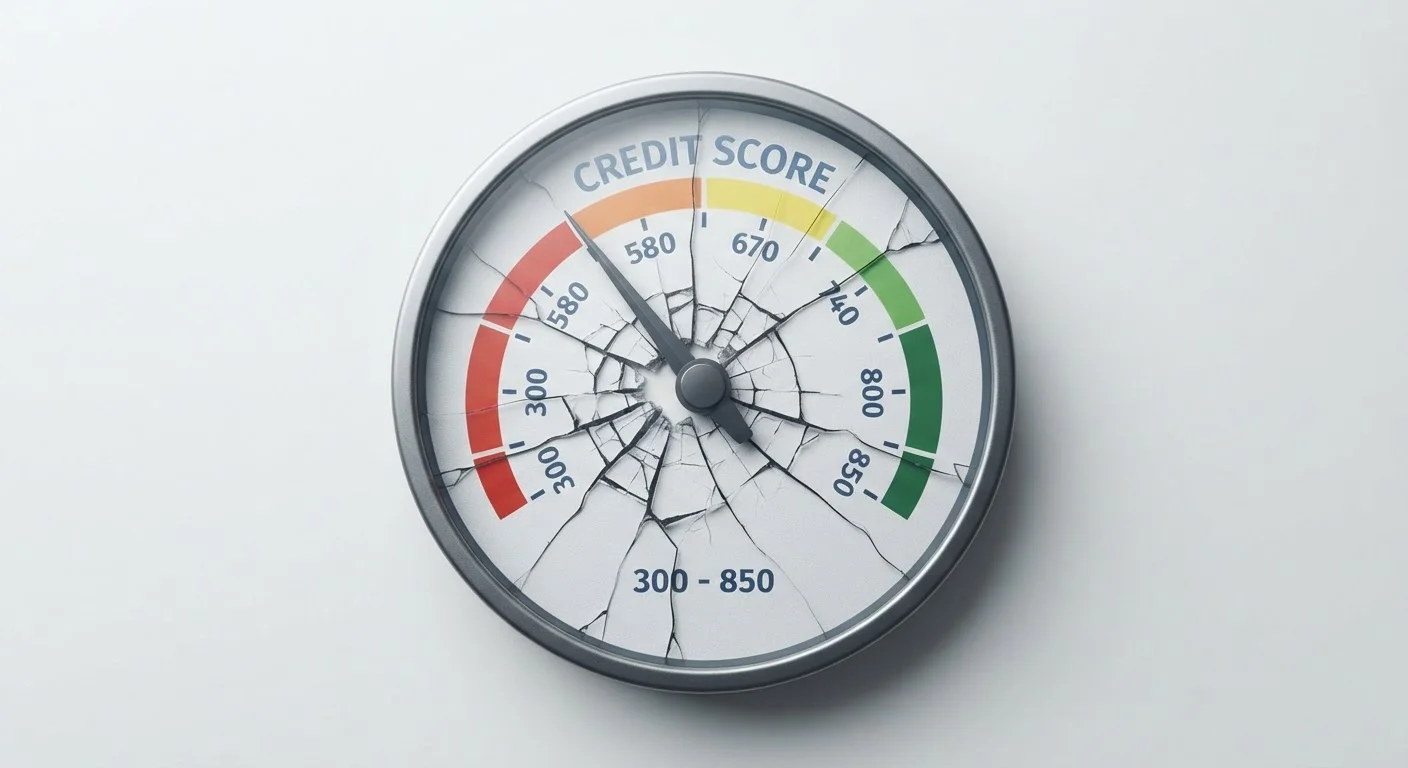
A credit score rarely collapses overnight. More often, it erodes through patterns that feel unremarkable in the moment - a balance carried a little too high, a card closed after a decade of disuse, a string of new applications submitted within weeks of each other. Because no single action triggers an obvious alert, these habits can chip away at a score for months before the damage becomes apparent.
Understanding which behaviors cause this kind of quiet erosion is the first step toward protecting a credit profile you've worked to build. This article outlines the most common culprits, why they tend to go unnoticed, and what you can do to reverse course. For context on how debt more broadly affects financial health, the signs your debt load may be affecting your financial health is a useful companion read.
Don't Assume 'No News' Means a Healthy Report
Many people go years without reviewing their credit report, assuming that no alerts means no problems. Errors, fraudulent accounts, and slowly aging negative items can accumulate without triggering any notification. Under federal law, consumers can access free credit reports from the three major bureaus - reviewing them periodically is a practical first step to catching quiet erosion early.
The Habits That Chip Away at Your Score
The mistakes below aren't dramatic missteps - they're the kind of ordinary financial behaviors that accumulate over time. Each one affects a different dimension of how credit scores are calculated.
Consistently carrying a high credit card balance relative to your limit.
Why it happens: Many people treat their credit limit as a spending target rather than a ceiling, especially when cash flow is tight and a card feels like a flexible buffer.
Making only minimum payments month after month while continuing to charge new purchases.
Why it happens: Minimum payments feel manageable and keep an account technically current, so it's easy to overlook how slowly they reduce principal when new spending is added.
Closing credit card accounts you no longer actively use.
Why it happens: Canceling unused cards feels responsible - less clutter, less temptation. The credit consequences are counterintuitive and not well understood by most consumers.
Applying for several credit products in a short period of time.
Why it happens: Shopping for a mortgage, auto loan, and a new credit card around the same time - or responding to multiple promotional offers - can lead to a cluster of hard inquiries.
Neglecting to monitor your credit report for errors or unrecognized accounts.
Why it happens: Checking a credit report feels like an occasional chore rather than a routine habit, and many people assume the information is accurate unless something goes wrong.
35%
Share of FICO score determined by payment history
According to FICO's published scoring model breakdown, payment history carries more weight than any other single factor.
7 years
How long a late payment can stay on your credit report
Under the Fair Credit Reporting Act, most negative items, including late payments and collections, can remain on a credit report for up to seven years.
30%
Credit utilization threshold commonly cited by financial educators
While no official rule exists, many credit counselors and scoring model analysts recommend keeping utilization below 30% to avoid score drag.
Collectively, these patterns reflect how credit scores reward consistency, restraint, and longevity. A good score isn't just a snapshot - it's a record of sustained habits. If any of these patterns sound familiar, the Saving & Debt hub offers additional guidance on building the financial foundation that supports healthy credit over time.
Late Payments Have Lasting Consequences
Payment history accounts for approximately 35% of a FICO score - the single largest factor. A payment reported 30 or more days late can remain on your credit report for up to seven years. Even a single missed payment can cause a meaningful score drop, particularly if your score was previously strong. Set up automatic minimum payments as a safety net, and consult a nonprofit credit counselor if you're regularly struggling to meet due dates.