

Key Takeaways
Escrow
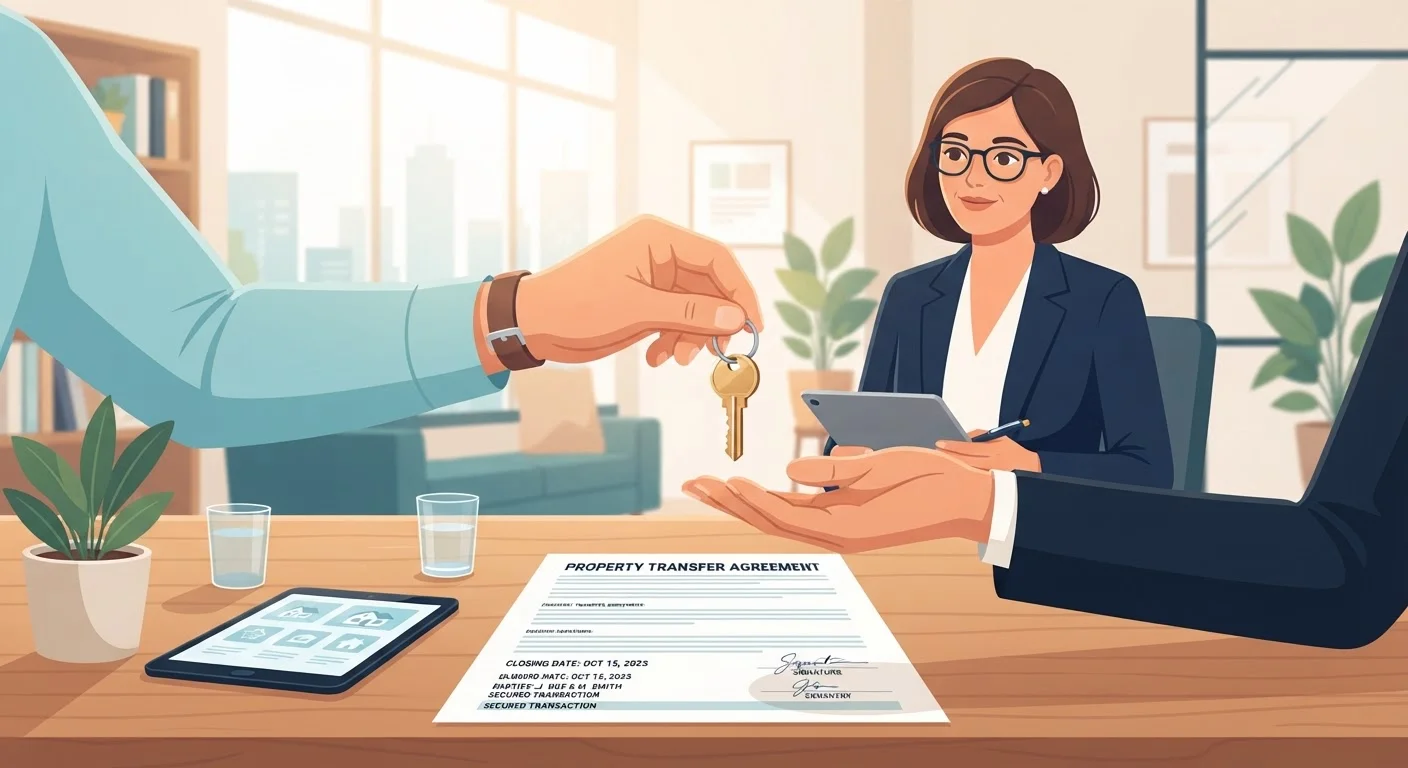
Escrow is a legal arrangement in which a neutral third party - typically an escrow company or attorney - holds money, documents, and other assets on behalf of a buyer and seller during a real estate transaction. The held funds are only released once all agreed-upon conditions have been satisfied. This structure protects both sides by ensuring neither party gains what they want until each has fulfilled their obligations.
In most U.S. states, escrow is managed by a licensed escrow officer or title company; in some eastern states, a real estate attorney traditionally performs this role.
Where Escrow Fits in the Home-Buying Process
Escrow enters the picture almost immediately after a seller accepts your offer. Understanding its role is easier when you see it as a checkpoint system - a way to move a complex transaction forward without either party having to trust the other blindly. For a full view of each stage leading up to and through escrow, see The Home-Buying Process, From Offer to Closing.
Once you and the seller sign the purchase agreement, the escrow process is formally opened. A neutral escrow holder - often a title company or escrow firm - receives a copy of the contract and begins coordinating the steps that must be completed before ownership can transfer. These typically include satisfying financing, inspection, and appraisal contingencies, each of which is explained in Contingencies in a Home Purchase Contract: What Each One Protects}.
State Rules Vary on Who Handles Escrow
In western states such as California, Arizona, and Washington, independent escrow companies typically manage the process. In many eastern and southern states, a real estate attorney handles closing and may perform the escrow function. Your real estate agent or lender can clarify which is standard in your area.
What Goes Into Escrow - and When
The first item to enter escrow is usually your earnest money deposit - a sum, commonly 1-3% of the purchase price, that signals your commitment to the deal. This money sits with the escrow holder and is applied toward your down payment or closing costs at settlement. It is not handed to the seller directly.
As the transaction progresses, the escrow holder also receives and manages:
- The purchase agreement and any addenda
- Title documents confirming the seller's right to transfer ownership
- Loan funds from your lender, wired in just before closing
- Your remaining down payment and closing cost funds
Every item stays in escrow until all conditions in the contract are met. For an overview of the paperwork involved, Key Documents You'll Encounter During a Home Purchase provides a useful reference.
30-60 days
Typical escrow period for residential sales
Most standard purchase agreements set a 30- to 60-day escrow window, though the timeline is negotiable between parties.
1-3%
Typical earnest money deposit range
Earnest money deposits commonly range from 1% to 3% of the purchase price, varying by market competitiveness and local custom.
~80%
Mortgaged homeowners with escrow impound accounts
The Consumer Financial Protection Bureau notes that the large majority of mortgage borrowers are required by their lenders to maintain an escrow account for taxes and insurance.
The Ongoing Mortgage Escrow Account
Many buyers are surprised to discover that escrow doesn't end at closing. When you have a mortgage, your lender will often require you to maintain a separate escrow impound account. Each month, a portion of your mortgage payment is deposited into this account, and the lender uses it to pay your property taxes and homeowner's insurance when those bills come due.
This arrangement protects the lender's interest in the property - if taxes go unpaid, a tax lien can take priority over the mortgage. It also benefits many buyers by spreading large annual bills into manageable monthly increments. Your lender is required to provide an annual escrow analysis statement showing how the account was used and whether your monthly contribution needs to adjust.
Review Your Escrow Analysis Each Year
Lenders are required to send an annual escrow analysis detailing what was collected and paid on your behalf. Review it to catch unexpected changes in your property tax assessment or insurance premium, both of which directly affect your monthly mortgage payment. If you believe an adjustment is incorrect, contact your loan servicer promptly.
How Escrow Closes
Escrow closes when every condition in the purchase contract has been satisfied and all required funds are in place. On closing day, the escrow officer coordinates the final steps: loan documents are signed, funds are confirmed, and the deed is recorded with the county. Once the deed is recorded, ownership legally transfers to you and escrow is considered closed.
Market conditions can influence how smoothly this process unfolds - in competitive markets, timelines are often compressed. Understanding whether you're buying in a seller's or buyer's market is worth knowing before you enter negotiations; Seller's Market vs. Buyer's Market: What the Difference Means for You breaks down what those dynamics mean in practice.
After closing, you'll receive a final accounting of all funds held and disbursed - review it carefully to confirm every figure matches your Closing Disclosure.