

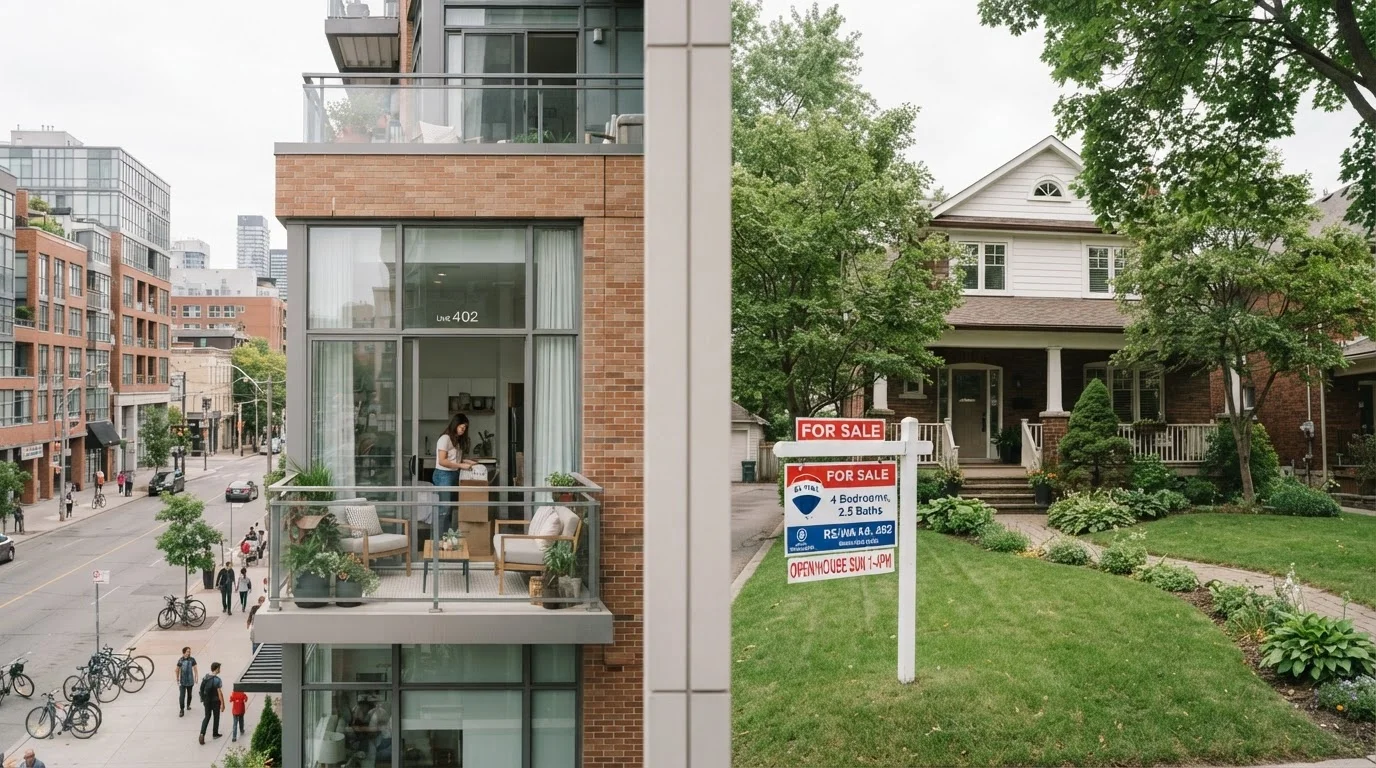
Key Takeaways
Builds equity with each mortgage payment
Unlike rent, mortgage payments reduce your loan balance and grow your ownership stake over time. If the property appreciates, that equity can represent substantial wealth.
Greater control over the property
Owners can renovate, decorate, or modify their home without landlord restrictions, providing a level of autonomy that renters typically cannot access.
Stable long-term housing costs with a fixed mortgage
A fixed-rate mortgage locks in the principal and interest portion of your payment for the loan's life, providing predictability that rent - subject to annual increases - does not.
Potential tax advantages in some situations
Mortgage interest and property taxes may be deductible depending on your tax situation; a qualified tax professional can clarify whether these benefits apply to you.
Freedom from landlord decisions
Owners face no risk of non-renewal, sale of the property by a landlord, or sudden rent hikes - all events that can disrupt a renter's housing stability.
High upfront capital required
Down payments, closing costs, inspections, and initial repairs can collectively represent 10-15% or more of a home's purchase price, creating a significant barrier to entry.
Owner bears all maintenance and repair costs
Major systems like roofs, HVAC, and plumbing are the owner's financial responsibility. Unexpected repairs can run into thousands of dollars with little warning.
Limited mobility compared to renting
Selling a home involves real estate commissions, closing costs, and market timing risk. Buyers who need to relocate quickly may face financial losses if the market is unfavorable.
Property values can decline
Real estate does not always appreciate. Market downturns can leave owners with a home worth less than they paid, reducing or eliminating equity built up over time.
Renting offers no path to ownership equity
Monthly rent payments provide housing but generate no ownership stake, meaning renters do not benefit if the local property market appreciates over time.
Rent can increase at lease renewal
Landlords can raise rents between lease terms, subject to local laws, meaning a renter's housing costs are not locked in over the long term the way a fixed mortgage is.
Our Verdict
Buying makes the most sense when you have a stable financial foundation, plan to stay in one place for several years, and are prepared for the full costs of homeownership beyond the mortgage. Renting remains a practical, sometimes strategically smart choice for people who value mobility, face high local purchase prices, or are not yet ready for the responsibilities of ownership. Neither path is inherently better - the decision hinges on your specific financial position, local market conditions, and life stage.
Readers who are at a genuine crossroads between renting and buying and want an honest, pressure-free framework for thinking through which path fits their current circumstances.
Why This Decision Is Rarely Straightforward
The question of whether to rent or buy a home is one of the most significant financial and lifestyle decisions most adults will face. Despite what you may have heard, there is no single correct answer. The right path depends on a combination of factors: your savings, income stability, local housing prices, how long you plan to stay in an area, and what you want your day-to-day life to look like.
What this article won't do is tell you that buying is always the smart move or that renting is throwing money away. Both claims are oversimplifications that can lead people into decisions that don't serve them well. Instead, this breakdown examines the genuine strengths and real limitations of each path, grounded in how housing actually works - not how it's sold.
For a deeper look at how market conditions specifically affect this calculus, see how the math shifts in a hot housing market.
The Case for Buying
Homeownership offers advantages that renting simply cannot replicate - chief among them the gradual accumulation of equity. Each mortgage payment builds an ownership stake in an asset that, over time, may appreciate in value. Unlike rent, which represents a pure expense, a mortgage payment contributes to net worth in ways that compound over years of ownership.
Builds equity with each mortgage payment
Unlike rent, mortgage payments reduce your loan balance and grow your ownership stake over time. If the property appreciates, that equity can represent substantial wealth.
Greater control over the property
Owners can renovate, decorate, or modify their home without landlord restrictions, providing a level of autonomy that renters typically cannot access.
Stable long-term housing costs with a fixed mortgage
A fixed-rate mortgage locks in the principal and interest portion of your payment for the loan's life, providing predictability that rent - subject to annual increases - does not.
Potential tax advantages in some situations
Mortgage interest and property taxes may be deductible depending on your tax situation; a qualified tax professional can clarify whether these benefits apply to you.
Freedom from landlord decisions
Owners face no risk of non-renewal, sale of the property by a landlord, or sudden rent hikes - all events that can disrupt a renter's housing stability.
Owners also gain a level of stability and autonomy that tenants rarely have. You can renovate, paint, or modify the property without seeking landlord approval. Long-term, your monthly costs are more predictable if you hold a fixed-rate mortgage, whereas rent is subject to annual increases.
Tax treatment is another factor worth understanding, though it varies by individual situation. Mortgage interest and property taxes may be deductible in certain circumstances - consult a qualified tax professional to understand how these rules apply to your own finances.
If you're considering taking the first step toward purchasing, a first-timer's orientation to the buying process covers each phase in plain language.
The Case for Renting
Renting is frequently framed as a financial loss, but that framing ignores the real value renting provides. Flexibility is perhaps the most underrated advantage. Renters can relocate for career opportunities, family changes, or personal preference without the financial and logistical burden of selling a home. In a volatile job market or during life transitions, that flexibility carries genuine economic worth.
High upfront capital required
Down payments, closing costs, inspections, and initial repairs can collectively represent 10-15% or more of a home's purchase price, creating a significant barrier to entry.
Owner bears all maintenance and repair costs
Major systems like roofs, HVAC, and plumbing are the owner's financial responsibility. Unexpected repairs can run into thousands of dollars with little warning.
Limited mobility compared to renting
Selling a home involves real estate commissions, closing costs, and market timing risk. Buyers who need to relocate quickly may face financial losses if the market is unfavorable.
Property values can decline
Real estate does not always appreciate. Market downturns can leave owners with a home worth less than they paid, reducing or eliminating equity built up over time.
Renting offers no path to ownership equity
Monthly rent payments provide housing but generate no ownership stake, meaning renters do not benefit if the local property market appreciates over time.
Rent can increase at lease renewal
Landlords can raise rents between lease terms, subject to local laws, meaning a renter's housing costs are not locked in over the long term the way a fixed mortgage is.
Renting also shifts maintenance and repair responsibilities to the landlord, protecting tenants from sudden large expenses like a failed HVAC system or roof damage. Upfront costs are far lower - a security deposit and first month's rent versus tens of thousands of dollars in a down payment, closing costs, and inspections.
In high-cost metro areas, the math can favor renting for years. When purchase prices are elevated relative to rental rates, the break-even point on buying can stretch far enough into the future that renting and investing the difference may produce comparable or better financial outcomes - though this depends heavily on individual circumstances and market conditions.
Be aware that renting carries its own less-visible costs. The hidden costs of renting - including application fees, renters insurance, and utility responsibilities - are worth accounting for in any honest comparison.
Renter Protections Vary Widely by Location
Tenant rights - including limits on rent increases, required notice periods before eviction, and security deposit rules - differ significantly by state and city. Some jurisdictions have robust tenant protections; others offer minimal statutory rights. Before signing any lease, it's worth researching the specific rules in your area. Local tenant advocacy organizations and state attorney general offices are common starting points for accurate, jurisdiction-specific guidance.
Key Factors That Should Drive Your Decision
Rather than defaulting to a cultural assumption that buying is always the goal, it helps to evaluate a few concrete factors specific to your situation.
5-7 years
Typical break-even horizon for buying vs. renting
Real estate analysts broadly estimate that homeowners need to stay in a property for at least five to seven years to recover transaction costs and outperform renting financially.
~6%
Typical total transaction cost when selling a home
Seller-paid real estate commissions alone have historically run around 5-6% of the sale price, a cost that directly affects whether buying was financially advantageous over a given period.
65.6%
U.S. homeownership rate
According to the U.S. Census Bureau, the national homeownership rate hovers around 65-66%, meaning roughly one in three American households rents - a significant portion of the population for whom renting is a deliberate or necessary choice.
- How long you plan to stay: Most financial analyses suggest you need to remain in a purchased home for at least five to seven years to recoup transaction costs and come out ahead of renting. Shorter horizons often favor renting.
- Local price-to-rent ratios: In some markets, monthly mortgage payments on a comparable property far exceed rents. In others, buying is clearly more cost-effective monthly. Compare both for your specific area.
- Financial readiness: A down payment, closing costs, moving expenses, and a reserve for immediate repairs can easily total 10-15% of a home's purchase price. Liquidity matters before and after closing.
- Job and income stability: Mortgage default carries severe long-term financial consequences. If your income is variable or your employment situation uncertain, that risk deserves serious weight.
For broader context on how to weigh these trade-offs side by side, factors worth weighing before you decide offers a structured comparison framework.