

Key Takeaways
Multi-Point Inspection
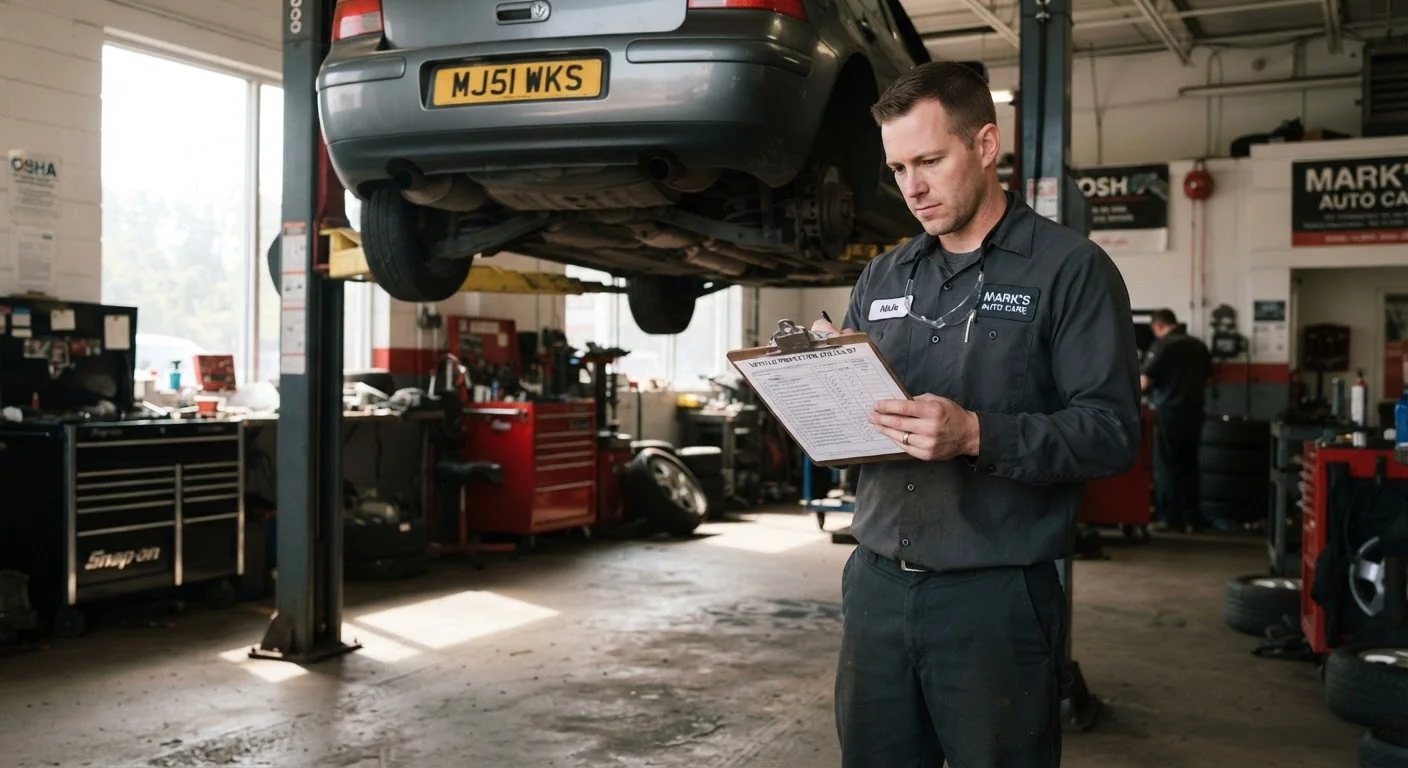
A multi-point inspection (MPI) is a structured evaluation that a mechanic performs to assess the condition of a vehicle's major systems and components in a single visit. Rather than focusing on one specific problem, it uses a standardized checklist to flag items that are functioning correctly, showing wear, or in need of immediate attention. The results are typically presented on a color-coded report - green for good, yellow for monitor, red for urgent - giving you a snapshot of your vehicle's overall health.
MPIs are not diagnostic tests; they rely on visual checks and basic measurements rather than electronic scans of fault codes unless a separate diagnostic service is ordered.
The Purpose Behind the Checklist
A multi-point inspection exists to give you and your mechanic a clear picture of where your vehicle stands - not just today's concern, but everything that might be trending toward a problem. Think of it as a wellness check rather than a repair visit. The mechanic works through a standardized list, recording the condition of each system, and hands you a report you can actually use.
Because the checklist is consistent, it's easier to track changes over time. Brake pads that measured 5mm last visit and now measure 3mm tell a story. That kind of trend data helps you plan maintenance around your budget and schedule instead of reacting to breakdowns. Understanding what mechanics are actually looking at makes those reports far more useful. See our seasonal car maintenance checklist for a complementary look at timing routine checks around weather changes.
What Gets Checked: System by System
Most multi-point inspections follow a similar structure, grouped by the area of the vehicle being assessed.
2-3 mm
Minimum safe brake pad thickness
Most vehicle manufacturers and brake component guidelines recommend replacement at or before this threshold to maintain reliable stopping performance.
2/32"
Legal minimum tire tread depth in most U.S. states
Tires at or below this tread depth are considered legally worn out; safety advocates commonly recommend replacement at 4/32" for wet-road traction.
30-60 min
Typical time to complete a multi-point inspection
Duration varies by shop and whether the MPI is performed alongside another scheduled service such as an oil change.
Under the Hood
Fluid levels are among the first things checked - engine oil, coolant, brake fluid, power steering fluid, and windshield washer fluid. Mechanics also look at the condition of each fluid, not just the level. Dark, gritty oil or milky coolant can indicate internal problems. The battery's condition and charge are tested, and belts and hoses are visually inspected for cracking, fraying, or soft spots. The air filter is checked for excessive clogging.
Brakes and Tires
Brake pad thickness is measured at each wheel - most manufacturers recommend replacement before pads wear below 2-3mm. Rotors are examined for scoring or warping. Tire tread depth is measured using a gauge, and sidewalls are inspected for bulges or cracking. Tire pressure is recorded and compared against the vehicle's recommended spec, found on the door jamb sticker.
Suspension and Steering
Technicians check for worn ball joints, tie rod ends, and CV boots. Shock absorbers and struts are inspected for leaks. These components directly affect handling and tire wear, so findings here often explain uneven tread patterns spotted during the tire check.
Lights, Wipers, and Safety Systems
All exterior lighting - headlights, brake lights, turn signals, and reverse lights - is verified. Wiper blades are checked for streaking or tearing. Depending on the shop, horn function and seatbelt latching may also be confirmed.
Ask for Measurements, Not Just Assessments
When a mechanic flags a yellow or red item, request the actual measurement - brake pad thickness in millimeters, tread depth in 32nds of an inch, or battery test results in cold cranking amps. Specific numbers let you track wear over time and compare estimates accurately if you seek a second opinion.
How to Read Your Inspection Report
Most reports use a three-color system. Green means the item passed and needs no action. Yellow means it's within serviceable limits but should be monitored - plan for attention within the next few months or at the next service interval. Red means the item is outside safe or functional limits and should be addressed promptly.
When you receive a red flag, ask the technician for the specific measurement that triggered it. Brake pad thickness, tread depth in 32nds of an inch, and battery cold cranking amps are all quantifiable - a specific number is more useful than a general statement that something "needs work." This also helps you get an informed second opinion if needed.
Part of being a prepared car owner means knowing how inspections fit into the larger picture of vehicle costs and responsibilities. The Car Ownership Basics hub covers the foundational knowledge that supports decisions like these.
What an MPI Doesn't Cover
A multi-point inspection is a visual and physical assessment conducted without disassembly. Mechanics cannot see inside sealed components - a transmission or engine that appears externally sound may still have internal wear that only reveals itself under load or via electronic diagnostics. An MPI will not read stored fault codes in the vehicle's computer unless a separate diagnostic scan is requested.
It also won't catch intermittent issues - a noise that only happens when the engine is cold, or a shimmy that only appears at highway speed, may not be present during a shop inspection. When those kinds of symptoms exist, describe them as specifically as possible before the visit so the technician knows what to investigate beyond the standard checklist.
“The most valuable thing a multi-point inspection does is surface problems the driver didn't know to ask about. Most significant failures don't happen without warning - they develop gradually, and a thorough inspection is how you catch them early.”
— ASE Education Foundation, National organization supporting automotive technician training and certification standards
This article is for informational purposes only. Always consult a qualified mechanic for vehicle-specific maintenance decisions and repairs.