

| Majority of garden insects | Neutral or beneficial - not pests (University cooperative extension programs, general consensus) |
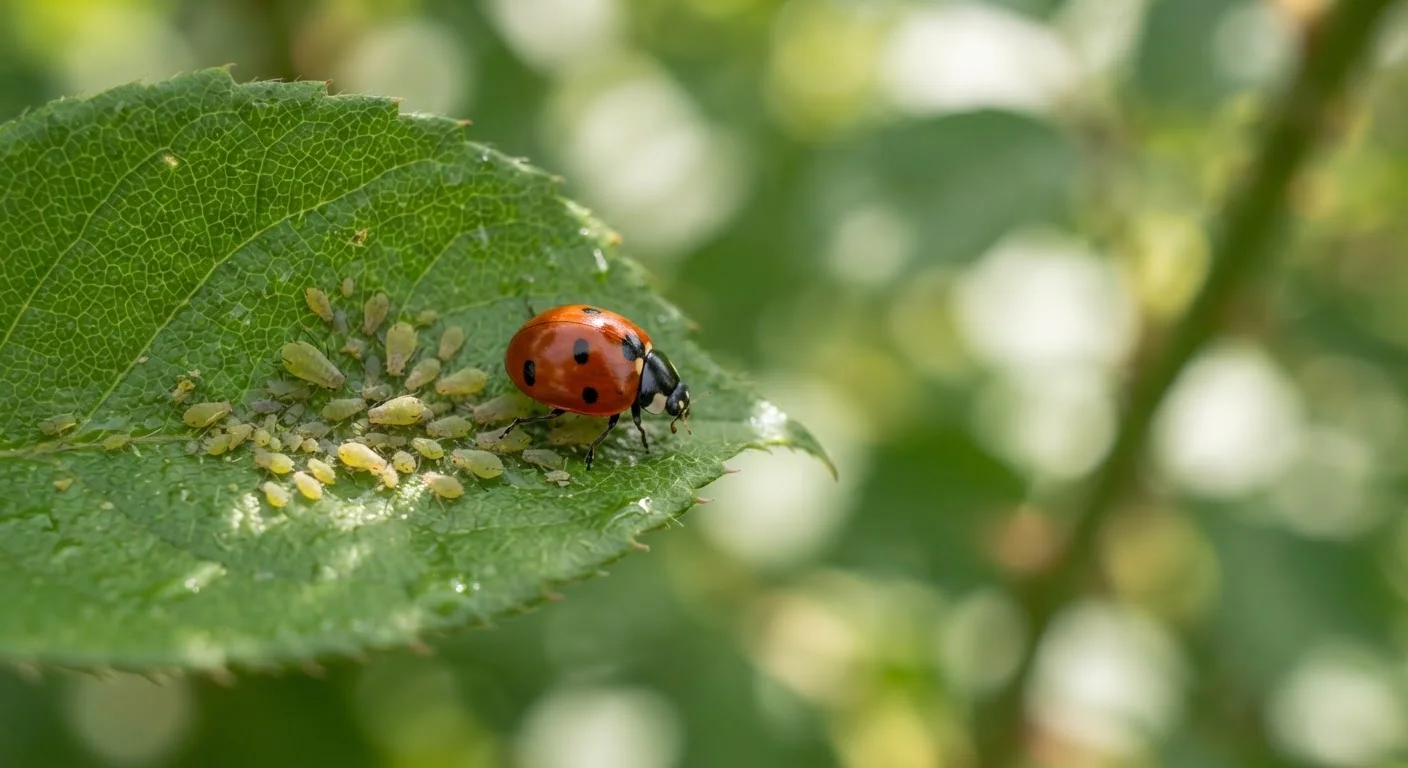
| Ladybug appetite | Up to 5,000 aphids in a lifetime (General entomological reference data) |
| Best time to inspect for pests | Early morning or late evening (When many insects are most active or visible) |
| First action for soft-bodied pests | Strong water spray to dislodge (Standard IPM physical removal recommendation) |
| Spider mites thrive in | Hot, dry, dusty conditions (Common environmental trigger for outbreaks) |
| Cutworm activity | Nocturnal - damage appears overnight (Standard pest behavior reference) |
Why Bug Identification Matters Before You Spray
The instinct to eliminate any insect crawling on your plants is understandable - but it can backfire badly. Studies from university extension programs consistently show that the majority of insect species found in home gardens are either neutral or actively beneficial. Applying pesticides indiscriminately can wipe out the very predators that would have controlled your actual pest population naturally.
Before reaching for any treatment, your first job is observation. Look closely at what's present, where it's concentrated, and what damage (if any) you actually see on the plant. A few insects on a leaf is not an infestation. Understanding who's who in your garden ecosystem is the single most effective pest-management skill you can develop.
If you're setting up a new growing space, pairing good bug awareness with sound planning pays dividends - see our vegetable garden planning guide for the foundational groundwork that keeps plants strong enough to resist pest pressure.
| Majority of garden insects | Neutral or beneficial - not pests (University cooperative extension programs, general consensus) |
| Ladybug appetite | Up to 5,000 aphids in a lifetime (General entomological reference data) |
| Best time to inspect for pests | Early morning or late evening (When many insects are most active or visible) |
| First action for soft-bodied pests | Strong water spray to dislodge (Standard IPM physical removal recommendation) |
| Spider mites thrive in | Hot, dry, dusty conditions (Common environmental trigger for outbreaks) |
| Cutworm activity | Nocturnal - damage appears overnight (Standard pest behavior reference) |
Beneficial Insects to Recognize and Protect
These insects are working in your favor. Disrupting them - even unintentionally - removes a layer of free, natural pest control.
- Ladybugs (lady beetles): Both adults and larvae consume large numbers of aphids, scale insects, and mites. Larvae look like tiny orange-and-black alligators and are often mistaken for pests.
- Ground beetles: Dark, fast-moving beetles that live in soil and leaf litter. They prey on slugs, cutworms, and soil-dwelling larvae - largely invisible but highly effective.
- Lacewings: Delicate, pale-green insects with transparent wings. Their larvae are voracious aphid predators, earning them the nickname "aphid lions."
- Parasitic wasps: Tiny, non-stinging wasps that lay eggs inside or on pest insects like caterpillars and whiteflies. Look for mummified aphids (tan, swollen, papery) as evidence they're active.
- Spiders: Not insects, but vital allies. Spiders in the garden capture a wide range of flying and crawling pests and rarely cause plant damage of any kind.
- Bees and other pollinators: Essential for fruit and vegetable production. Any treatment that harms pollinators reduces your garden's productivity, often significantly.
Integrated Pest Management (IPM)
A science-based approach to pest control that combines observation, prevention, and targeted intervention. It prioritizes the least-disruptive methods first and uses chemical controls only when necessary and after careful identification.
Beneficial insect
Any insect that provides a useful service in the garden - such as pollinating plants, preying on pest insects, or decomposing organic matter. Protecting these insects is a core principle of sustainable gardening.
Frass
The excrement or debris left behind by insect larvae, often resembling fine sawdust or dark pellets. Finding frass near plant stems or on leaves is a reliable indicator that a boring or chewing pest is present.
Parasitic wasp
A category of small, typically non-stinging wasps that lay eggs in or on other insects. The larvae consume the host, effectively controlling pest populations. Mummified or papery-looking aphids are a visible sign of their activity.
Skeletonizing
A type of leaf damage where insects eat the soft tissue between leaf veins, leaving only a lace-like network of veins behind. Japanese beetles are a common cause of this damage pattern.
Honeydew
A sticky, sugary substance excreted by sap-sucking insects such as aphids and whiteflies. Its presence on leaves or surfaces below infested plants often indicates an active pest population.
Common Harmful Bugs and Their Telltale Signs
Damaging insects tend to leave clear evidence. Learn to match the symptom to the culprit rather than guessing.
- Aphids: Soft, pear-shaped insects that cluster on new growth and undersides of leaves. They suck plant sap, causing curled, distorted, or yellowing leaves and leaving behind sticky honeydew. Common colors: green, black, gray, or pink depending on species.
- Whiteflies: Tiny white-winged insects that fly up in a cloud when foliage is disturbed. They cause yellowing leaves and transmit plant viruses. Check leaf undersides for eggs and nymphs.
- Japanese beetles: Metallic green-and-copper beetles that skeletonize leaves by eating the tissue between veins. They are most active in summer and feed in groups.
- Squash vine borers: Their larvae tunnel into squash and zucchini stems, causing sudden wilting. Look for a small entry hole with sawdust-like frass at the base of the stem.
- Cutworms: Fat, gray-brown caterpillars that hide in soil by day and sever seedlings at the soil line overnight. Finding healthy-looking plants toppled at the base is a strong indicator.
- Spider mites: Not insects - they're arachnids. Barely visible, they cause stippled, bronzed foliage and fine webbing on leaf undersides. Damage worsens in hot, dry conditions.
Accurate identification shapes every response. Nutrient deficiencies can mimic pest damage - yellowing or distortion caused by improper feeding is often confused with insect injury, so rule out plant health issues before concluding you have a bug problem.
A Practical Approach to Managing What Actually Needs It
Once you've confirmed a harmful pest is present in damaging numbers, the goal is targeted response - not elimination of everything in sight.
- Tolerate low populations. A handful of aphids on one stem is not a crisis. Most healthy plants can sustain minor feeding pressure without lasting harm.
- Use physical removal first. Dislodge soft-bodied insects like aphids with a firm spray of water. Hand-pick larger pests like Japanese beetles into a bucket of soapy water.
- Encourage natural predators. Plant diverse flowering species alongside vegetables to attract beneficial insects. Avoid broad-spectrum pesticide applications that kill predators alongside pests.
- Apply targeted treatments only when needed. If treatment becomes necessary, use the most specific, least-harmful option appropriate for the pest and crop, following all label directions carefully.
Healthy, well-watered plants are also naturally more resistant to pest damage. Common watering mistakes weaken plants and make them more vulnerable, so keeping your irrigation practices dialed in is part of integrated pest management, not a separate topic.