

Smart Shopping

The Comparison Checklist Every Shopper Should Run Through

Share
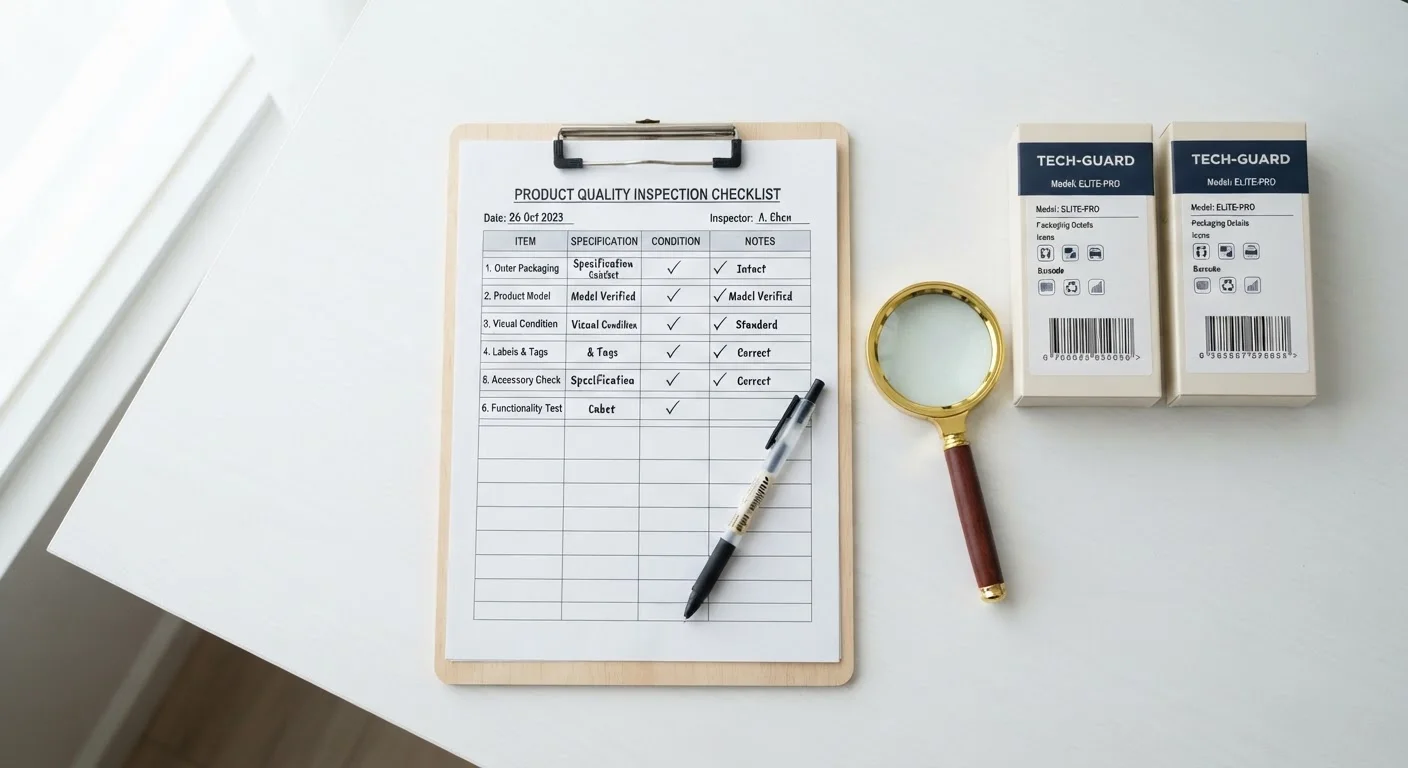
Clipboard checklist beside two products on a white desk with a magnifying glass

Key Takeaways

Defining your must-have criteria before comparing prevents you from being swayed by irrelevant features.
Total cost of ownership—not sticker price—is the most reliable number to compare across competing options.
Warranty terms and return policies vary widely and can significantly affect long-term value.
Review patterns matter more than overall star ratings; look for consistent complaints about specific issues.
Running every option through the same structured checklist removes gut-feel bias from your decision.
20–45 min

Summary

22 items · 20–45 minutes

Why a Structured Comparison Process Beats Gut Instinct

Most shoppers do their comparisons informally — they scan a few specs, skim a handful of reviews, and go with what feels right. The problem is that feelings are heavily influenced by which product you saw first, which one had better photos, or which description used more confident-sounding language. None of those factors tell you anything useful about actual performance or value.

A structured checklist forces you to evaluate each competing product against the same criteria, in the same order, every time. That consistency is what makes the comparison meaningful. If you want a deeper framework for how to set up and run the full comparison process, the complete approach to comparing products side by side walks through each stage in detail.

Use the checklist below before committing to any significant purchase. The groups are organized to move logically from your personal requirements through objective product data and finally into post-purchase protection.

Define Your Requirements First

Write down the specific problem this purchase needs to solve before looking at any products. Must
Identify at least three non-negotiable criteria (your must-haves) and keep them visible during research. Must
Set a realistic budget range — upper and lower limits — before comparing prices. Must
Note any compatibility or size requirements that would immediately disqualify an option. Must

True Cost Assessment

Record the full purchase price including taxes, shipping, and any required accessories not included in the base price. Must
Estimate ongoing costs such as subscription fees, consumables, maintenance, or energy use over one to three years. Must
Check whether installation, setup, or professional service fees apply and add those to your total. Should
Look up typical repair or replacement part costs for each option to gauge long-term cost of ownership. Should

Features and Specifications

Compare each product against your must-have criteria list and mark which ones are fully met, partially met, or missing. Must
Identify features that appear on the spec sheet but that you realistically will not use — these should not influence your decision. Should
Verify that advertised specs match independent test results or third-party measurements where available. Should
Check software or firmware update policies for electronics to understand the expected supported lifespan. Nice to have

Warranty, Returns, and Support

Read the full warranty terms for each option — note the duration, what is covered, and what voids coverage. Must
Confirm the return window and any restocking fees or return-shipping costs imposed by each retailer. Must
Check whether customer support is available by phone or chat and look up its general reputation for responsiveness. Should
Determine whether an extended warranty is available and calculate whether its cost is proportionate to the product's price. Nice to have

Review and Reliability Assessment

Look for verified-purchase reviews across at least two independent platforms rather than relying on the retailer's own page. Must
Filter reviews by the lowest ratings and scan for any recurring complaints about the same failure mode or defect. Must
Check the date distribution of reviews — a product with strong older reviews but a spike in recent negative feedback warrants caution. Should
Look for long-term or durability reviews from users who have owned the product for six months or more. Nice to have

Final Decision Check

Confirm that the leading option meets all of your must-have criteria without requiring workarounds. Must
Verify that the seller or retailer is reputable before entering any payment or personal information. Must

How to Use This Checklist Effectively

Open a simple spreadsheet or grab a sheet of paper and list each product you're considering across the top. Then run down each checklist item and fill in what you find for every option. The goal is a side-by-side record — not mental notes.

Don't Let Recency Bias Skew Your Results

Whichever product you research last tends to feel most familiar — and familiarity can be mistaken for preference. Complete your data gathering for all options before drawing any conclusions. If you find yourself favoring the last product you researched, go back and re-read your notes on the others before deciding.

Pay close attention to the must-priority items first. If any product fails a must item, you can deprioritize it immediately and focus your remaining research time on stronger candidates. For items marked should, weigh them against your specific needs — they matter but may trade off against each other. If you find yourself uncertain how to weight competing factors numerically, consider the weighted scoring framework for a more quantitative method.

Once you've worked through the checklist, don't skip the final verification step before purchase. Confirming pricing accuracy and seller legitimacy is a separate but essential layer — the savings verification checklist is a practical next step to run immediately before you check out.

Tools That Make the Comparison Faster

You don't need specialized software to run an effective comparison, but a few free tools can save significant time when gathering data.

Required

Spreadsheet application (e.g., Google Sheets)

Create a side-by-side comparison table where each product occupies a column and each checklist item occupies a row.

Optional

Web Archive / Wayback Machine

Check historical product pages or pricing to verify whether a listed discount reflects a genuine price change.

Optional

Consumer product testing databases (e.g., public library access to Consumer Reports)

Access independent lab test results and reliability data that go beyond manufacturer specifications.

Required

Manufacturer's official product page

Confirm accurate spec details and warranty terms directly from the source, reducing reliance on retailer descriptions.

For category-specific comparisons — such as evaluating smartphone plans or home internet options — you may also find the phones and carriers hub and the internet plans hub useful starting points for understanding the right criteria to compare in those categories.

Before entering payment details anywhere, also run through the pre-purchase safety checklist to verify the retailer is legitimate. A good product decision is undermined if you buy it from an untrustworthy source.

Smart Shopping Editorial Team is the collective byline for our editorial team and contributor network. Articles published under this byline or an editorial pen name are researched, written, and reviewed according to our editorial standards for clarity, consistency, and independence before publication.

View all articles by Smart Shopping Editorial Team →
Disclaimer: The content on this site is provided for informational purposes only and should not be considered a substitute for professional advice. While we strive to provide accurate and up-to-date information, we make no guarantees regarding its completeness or accuracy. Always consult a qualified professional for advice specific to your circumstances before making any decisions.