

Key Takeaways
Mobile Virtual Network Operator (MVNO)
A mobile virtual network operator, or MVNO, is a wireless carrier that sells phone service without owning any cell towers or radio spectrum. Instead, it buys network capacity wholesale from one of the major network operators - such as a national carrier - and resells that access under its own brand. From the customer's perspective, you get a phone plan and a SIM card; in the background, your calls, texts, and data run over someone else's infrastructure.
MVNOs negotiate wholesale agreements that specify data capacity, roaming terms, and sometimes network priority levels - the latter directly affects how deprioritization is applied to MVNO subscribers during peak congestion.
How the MVNO Business Model Works
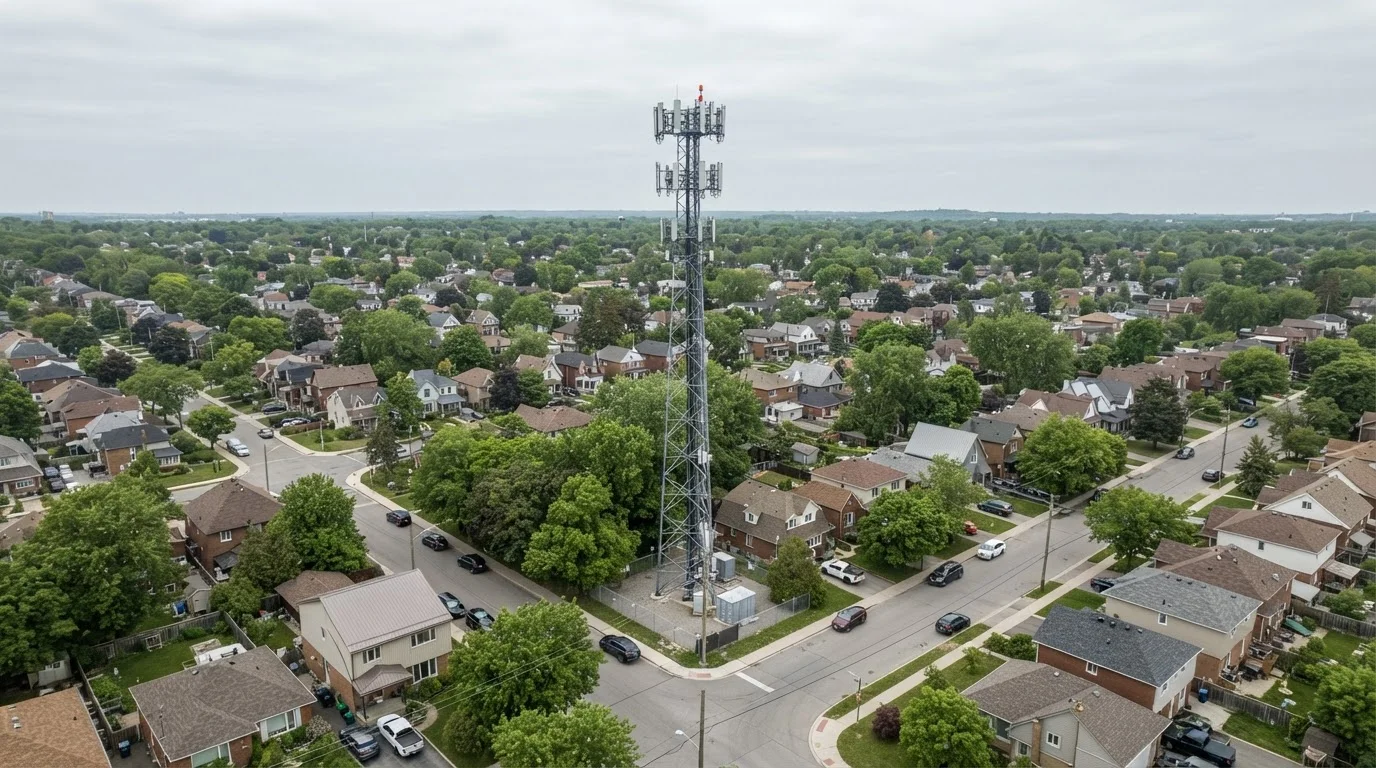
The U.S. wireless market is built on a two-tier structure most consumers never see. At the top, a small number of facilities-based carriers own the physical infrastructure: the towers, the radio spectrum licenses, and the core network equipment. Below them, MVNOs negotiate wholesale access agreements, paying for data capacity in bulk and then packaging it into retail plans.
Think of it like a landlord-tenant relationship for spectrum. The host carrier is the landlord - it owns the building. The MVNO is the tenant, paying for defined space and reselling it to individual customers. The physical infrastructure never changes; only the billing relationship and brand do.
Because MVNOs skip the enormous capital expense of tower construction and spectrum auctions, their cost structures look very different from those of major carriers. That difference is what creates room for lower retail prices - though it also means the MVNO has less control over network performance and priority.
“MVNOs have fundamentally changed the retail wireless market by separating infrastructure investment from service delivery - creating a competitive layer that gives consumers more price points without requiring new tower construction.”
— Telecom Industry Analyst, Wireless Market Researcher, cited in FCC annual competition reports
What You Actually Get - and What You Give Up
The most appealing feature of an MVNO plan is usually price. Month-to-month plans with no annual contract are the norm, giving subscribers flexibility that postpaid contracts with major carriers often don't offer. For readers who prefer not to be locked into a long-term agreement, that structure has real value - similar in spirit to the trade-offs discussed in articles about month-to-month versus fixed-term commitments.
The most significant trade-off is network deprioritization. When a cell tower is congested - during a concert, a sporting event, or rush hour in a dense city - the host carrier's own postpaid subscribers are typically served first. MVNO subscribers sit lower in that queue and may experience slower data speeds during peak periods. This isn't a defect; it's a structural feature of most wholesale agreements.
Other common limitations include:
- International roaming: Many MVNOs have limited or no roaming agreements, making them less practical for frequent international travelers.
- Customer support: Without large retail store networks, support is often handled online or by phone, with longer resolution times.
- Device financing: Most MVNOs require upfront device purchases; installment financing programs are uncommon.
- Plan customization: Fewer tiers and add-on options than full-service carriers.
~100+
Active MVNOs operating in the U.S.
The FCC's annual mobile wireless competition report has consistently documented a large and active MVNO sector across all major host networks.
20-50%
Typical monthly savings vs. major carrier postpaid plans
Industry observers broadly estimate MVNO plans can cost significantly less than comparable postpaid plans, though the exact gap varies by plan tier and features.
How to Evaluate an MVNO Before Signing Up
The single most important step is identifying which host network the MVNO runs on, then verifying that carrier's coverage in the areas where you actually use your phone - not just your home address. Coverage maps are widely available and should be checked against your regular commute, workplace, and any frequent travel destinations.
Device compatibility is the next checkpoint. MVNOs generally work with unlocked phones, but band compatibility matters. A phone designed for one network's frequency bands may not perform optimally on a different network, even if it technically connects. Checking your phone's supported bands against the MVNO's network specifications takes a few minutes and can prevent frustration later. Our overview of eSIM versus physical SIM is also worth reviewing if you're considering a digital SIM setup.
Before committing, review the plan's data policy carefully - specifically how the carrier handles data after you reach any included high-speed threshold. Some plans throttle to very low speeds; others offer data add-ons. Our pre-signup checklist covers these details systematically.
Run a Coverage Check Before You Switch
Find out which major carrier your target MVNO runs on, then go directly to that carrier's official coverage map and check your home, workplace, and regular travel routes - not just your ZIP code. An MVNO can only deliver the coverage its host network provides, so this step tells you almost everything you need to know about real-world signal.
Who MVNOs Are Best Suited For
MVNOs are a strong fit for users whose wireless needs align with their structural trade-offs. Light-to-moderate data users who spend most of their time in areas with strong coverage from a major network are least likely to notice deprioritization effects. People who want contract-free flexibility, use Wi-Fi heavily, and don't need premium customer service tend to report high satisfaction with MVNO plans.
Conversely, heavy data users, people in rural areas who depend on roaming agreements, frequent international travelers, and anyone who needs consistent speeds during peak hours may find the limitations more consequential. The telecom vocabulary that surrounds these decisions - deprioritization, throttling, data caps, and more - is worth understanding before evaluating any plan. Our mobile plan terms glossary covers the full range of terminology carriers use.
The right question isn't whether MVNOs are good or bad - it's whether a specific MVNO's network, coverage, and plan structure match your actual usage. Answered honestly, that question points most readers toward a clear decision.
A remote worker who lives in a major metro area and uses Wi-Fi at home and at a co-working space switches to an MVNO to cut her monthly phone bill.
A freelance event photographer tries an MVNO at a large stadium event and finds his data speeds nearly unusable during the main performance.
A retired couple on a fixed income uses a family MVNO plan that runs on a major national network, paying roughly half what they previously paid.