

Key Takeaways
Why Routine Maintenance Is Non-Negotiable
Modern vehicles are engineered to last - but only when they receive consistent care. Skipping or delaying routine maintenance rarely saves money; it typically shifts smaller, manageable costs into larger, avoidable repairs. A neglected cooling system, for instance, can mean the difference between a $25 coolant flush and a multi-thousand-dollar engine replacement.
The good news is that the fundamentals of car maintenance are well within reach of any driver willing to pay attention. You don't need to be a mechanic to understand what your vehicle needs and when it needs it. Your owner's manual is the authoritative source - it lists manufacturer-recommended service intervals tailored to your specific engine and drivetrain, which often differ meaningfully from generic advice.
For a structured approach to staying current across the calendar year, see our seasonal car maintenance checklist - it organizes key tasks by weather conditions and season.
~$1,200
Average annual car maintenance and repair cost per vehicle
According to AAA's annual Your Driving Costs study, U.S. drivers spend roughly this amount on maintenance and repairs under normal driving conditions.
200,000+
Miles achievable with consistent maintenance
Consumer Reports and industry data suggest many modern vehicles can exceed 200,000 miles when manufacturer service schedules are followed diligently.
25%
Fuel efficiency loss from underinflated tires
The U.S. Department of Energy estimates that tires underinflated by just 1 PSI per tire can reduce fuel economy by about 0.2%, with significant cumulative losses at greater underinflation.
Oil Changes: The Foundation of Engine Health
Engine oil lubricates moving parts, reduces friction-generated heat, and carries away contaminants. As oil ages and degrades, it loses effectiveness - and running an engine on old oil accelerates wear. That's why oil changes remain the single most important recurring maintenance task for most vehicles.
Conventional wisdom once held to a 3,000-mile interval, but many modern engines and synthetic oils are rated for significantly longer intervals - often 5,000 to 10,000 miles or more, depending on the vehicle and oil type. The only reliable guide is your owner's manual. Some vehicles also include an oil life monitoring system that calculates change intervals based on actual driving conditions rather than mileage alone.
When checking oil between changes, do it on a cold engine and on level ground for an accurate dipstick reading. A hot, recently-run engine can give a falsely low reading.
Engine oil expands when hot and some oil remains distributed through the system when the engine is warm, which skews the dipstick level and can lead to unnecessary top-offs.
If your vehicle uses synthetic oil, don't assume the longest possible interval is always right for your driving style. Short trips, stop-and-go traffic, and towing all count as 'severe' conditions that warrant more frequent changes.
Most owner's manuals define two maintenance schedules - normal and severe - and urban commuters often fall into the severe category without realizing it.
When having oil changed, also confirm the correct viscosity grade is used. Using an incorrect grade - even unintentionally - can reduce protection, particularly in extreme temperatures.
Fluids, Filters, and the Systems They Protect
A vehicle depends on several fluids beyond engine oil, each serving a distinct purpose. Coolant (antifreeze) regulates engine temperature and prevents both overheating and freeze-up. Brake fluid transmits hydraulic pressure to your brake calipers - when it absorbs moisture over time, its boiling point drops and braking performance can degrade. Transmission fluid, power steering fluid, and windshield washer fluid each have their own service intervals and condition indicators.
Filters - including the engine air filter and cabin air filter - restrict contaminants from entering critical systems. A clogged engine air filter can reduce fuel efficiency and engine responsiveness. Cabin air filters affect the quality of air circulating inside the vehicle and should be replaced on schedule, particularly if you drive in dusty or heavily trafficked environments.
Check fluid levels visually at least once a month and before long trips. Many fluid reservoirs are translucent and marked with min/max lines for easy inspection - no tools required.
Quick Monthly Fluid Check Routine
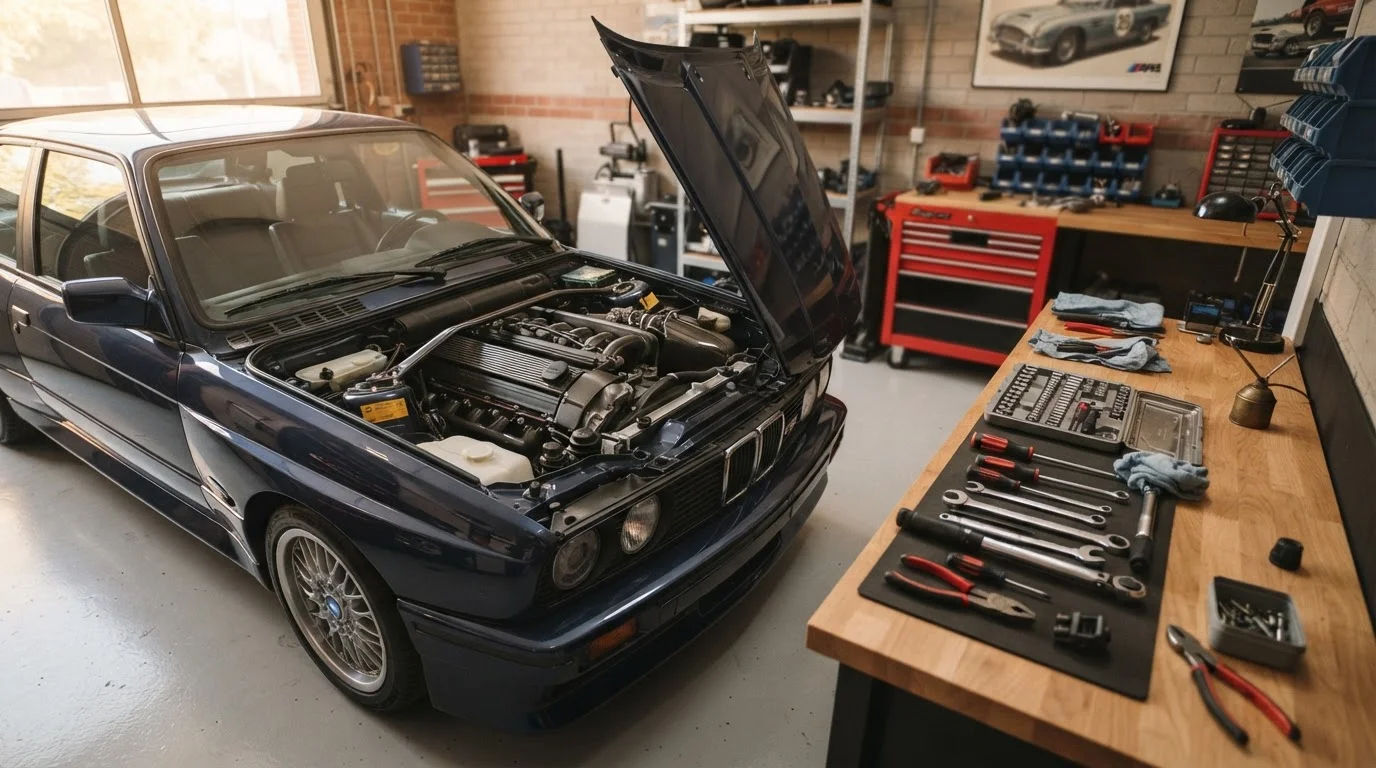
Before your first drive of the month, pop the hood and spend two minutes checking your engine oil, coolant reservoir, and brake fluid reservoir. These three visual checks take no tools and give you early warning of leaks or low levels before they become serious. Make it a habit tied to a recurring date - the first of each month works well for most drivers.
Tires and Brakes: Safety-Critical Maintenance
Tires are your vehicle's only contact with the road, making their condition directly relevant to handling, stopping distance, and fuel efficiency. Tire pressure should be checked monthly using a gauge - not just when the TPMS warning light activates, as that light typically only triggers when pressure is already significantly low. The correct pressure is listed on the sticker inside the driver's door jamb, not on the tire sidewall.
Tread depth matters equally. The penny test - inserting a penny into a tread groove with Lincoln's head facing down - gives a rough check: if the top of Lincoln's head is visible, tread is at or below 2/32 of an inch, which is the legal minimum in most states. Many safety experts recommend replacement before reaching that limit. Tires should also be rotated at regular intervals to promote even wear across all four positions.
Brake pads wear down gradually and most include a metal wear indicator that produces a squealing sound when pads are nearing the end of their service life. A grinding noise typically signals metal-on-metal contact - at that stage, rotors may also need replacement. Because brake system work involves direct safety implications, any task beyond visual inspection should be handled by a qualified mechanic unless you have verified competence and proper equipment. For a clear-eyed look at which maintenance tasks are appropriate for self-service, see our guide on DIY car maintenance vs. taking it to a shop.
Building Lasting Maintenance Habits
The gap between a vehicle that lasts 100,000 miles and one that reaches 200,000 miles reliably often comes down to consistency of care. A few simple habits make a measurable difference.
Keep a written or digital maintenance log. Record the date, mileage, and description of every service performed. This helps you track upcoming intervals, identify recurring issues, and provides documentation that supports resale value. Our guide on car ownership documents covers what records are worth keeping alongside your vehicle title and registration.
Set calendar reminders tied to mileage milestones for major service items. Many drivers link oil change reminders to other checks - tire rotation, fluid top-offs, and filter inspections - so that a single service visit accomplishes several tasks efficiently.
Pay attention to changes in how your vehicle drives, sounds, or smells. Unusual vibrations, pulling to one side, warning lights, or unfamiliar odors are signals worth investigating promptly rather than deferring. Early diagnosis is consistently less expensive than late-stage repair.
If you're deciding whether long-term ownership makes financial sense for your situation, our breakdown of keeping a car long-term vs. trading in walks through the practical and financial trade-offs. And for a comprehensive annual review, the annual car ownership checklist ensures nothing falls through the cracks year over year.