

Key Takeaways
Home Inspection
A home inspection is a professional, visual examination of a property's physical condition conducted by a licensed or certified inspector. The inspector evaluates major systems and structural components - from the roof to the foundation - and delivers a written report of findings. Buyers typically order an inspection after an offer is accepted, and the results can inform negotiation, repair requests, or the decision to walk away.
A home inspection is distinct from an appraisal: an appraisal determines market value for lending purposes, while an inspection assesses physical condition. Inspectors follow standards of practice set by professional bodies such as ASHI (American Society of Home Inspectors) or InterNACHI.
What a Standard Home Inspection Covers
A licensed home inspector performs a visual, non-invasive examination of a property's accessible systems and components. The goal is to identify material defects - conditions that affect safety, habitability, or function - and document them in a written report.
Core areas typically covered include:
- Roof: Condition of shingles, flashing, gutters, and visible decking
- Foundation and structure: Visible cracks, settling, and framing in accessible areas
- Exterior: Siding, grading, driveways, walkways, and drainage patterns
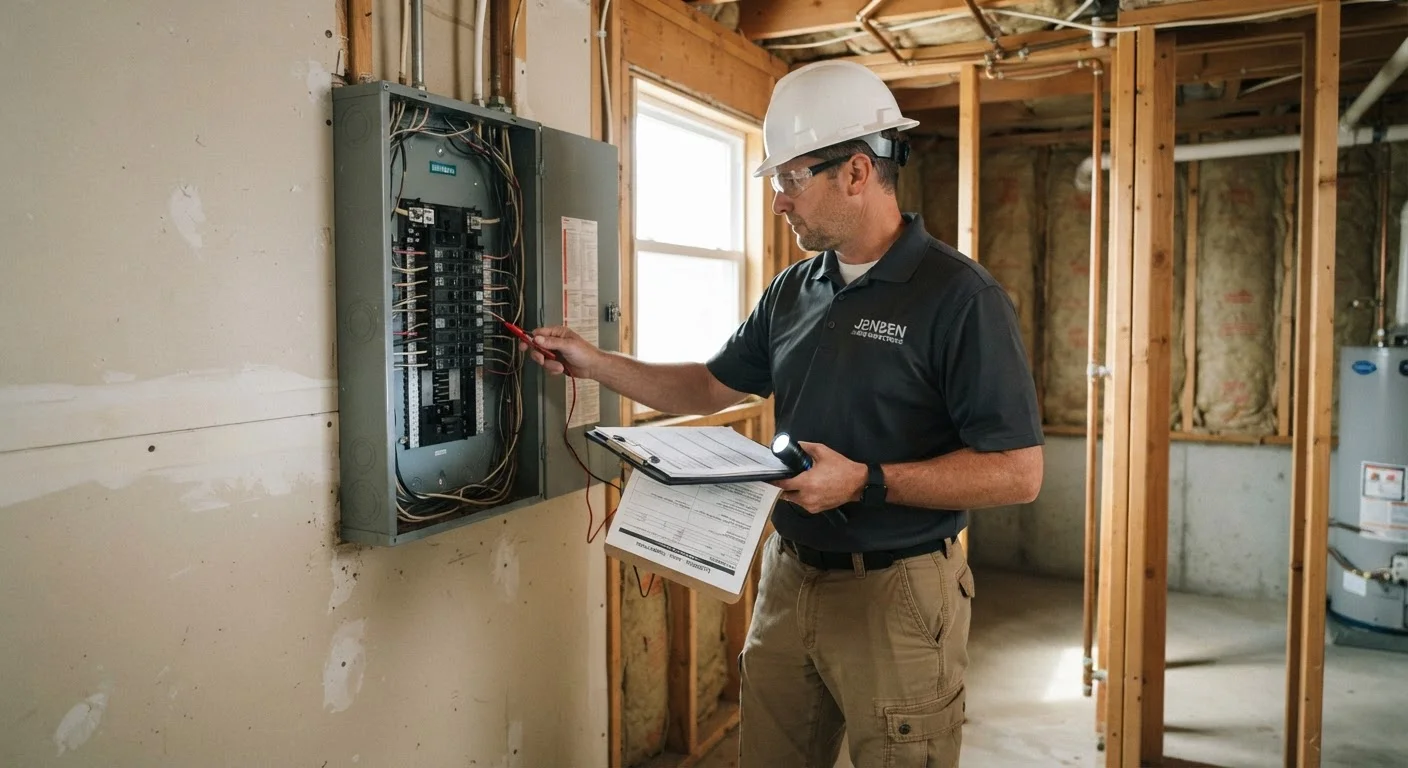
- Electrical system: Panel condition, visible wiring, outlets, and GFCI protection
- Plumbing: Supply and drain lines, water heater, fixtures, and visible leaks
- HVAC: Heating and cooling equipment operation and visible ductwork
- Interior: Walls, ceilings, floors, windows, and doors
- Attic and insulation: Ventilation, insulation levels, and visible moisture
- Basement and crawl space: Moisture intrusion, structural elements, and mechanicals
For a broader look at how these systems function day-to-day, see the Home Systems hub.
~86%
Buyers who request a home inspection
According to the National Association of Realtors' Profile of Home Buyers and Sellers, the large majority of buyers include an inspection as part of their purchase process.
$300-$500
Typical general inspection cost range
Industry surveys and inspector associations consistently report this range for a standard single-family home, though larger or older homes often cost more.
30-60 pages
Average length of an inspection report
Modern digital inspection reports from ASHI and InterNACHI members typically include photographs alongside written findings, resulting in detailed documentation.
What Inspections Don't Cover - and Why It Matters
Understanding the limits of a general inspection is just as important as knowing what it includes. Inspectors examine only what is visible and accessible at the time of the visit. They cannot see inside walls, beneath concrete slabs, or under finished surfaces.
Common exclusions from a standard inspection:
- Radon gas: Requires a dedicated radon test, often available as an add-on
- Mold and air quality: Inspectors may flag visible mold, but testing requires a specialist
- Sewer lines: A sewer scope inspection is a separate service using a camera
- Pest and termite activity: Requires a licensed pest inspector
- Pools and spas: Frequently excluded or an add-on service
- Chimneys: Basic visual inspection may occur, but a Level II chimney inspection is separate
- Underground oil tanks or environmental hazards: Require specialist assessment
Inspectors also cannot predict future failures. A water heater that functions on inspection day may fail a year later. Reports reflect conditions at a single point in time.
Inspection vs. Appraisal: Not the Same Thing
A home appraisal - required by most mortgage lenders - determines a property's market value, not its physical condition. An inspection examines physical condition but says nothing about market value. Both serve distinct purposes, and buyers generally need both in a financed purchase. For more on purchase-related documents, see key documents you'll encounter during a home purchase.
How to Use the Inspection Report Strategically
The inspection report is a formal document - often 30 to 60 pages long - that catalogs findings with photographs, descriptions, and condition ratings. Reading the executive summary alone misses important context.
Not every finding carries equal weight. Inspectors typically distinguish between safety hazards, major defects, and maintenance items. A faulty electrical panel poses a different level of urgency than a worn caulk bead around a tub.
Buyers can use findings to: request repairs before closing, ask for a price reduction or seller credit, factor repair costs into their budget, or - if an inspection contingency is in place - exit the transaction. For a plain-language guide to understanding what contingencies protect, see contingencies in a home purchase contract.
For deeper guidance on interpreting specific report language around electrical, plumbing, and HVAC findings, see what a home inspection report actually says about your systems.
If you're approaching this step as part of a broader purchase process, a first-timer's orientation to buying a home provides helpful framing for where inspection fits among other milestones.
Choosing and Working With an Inspector
Inspector quality varies. Buyers should look for inspectors affiliated with recognized professional bodies - ASHI or InterNACHI members follow published standards of practice and codes of ethics. Many states also license home inspectors, though requirements differ significantly by state.
Practical steps when selecting an inspector:
- Ask for sample reports to evaluate thoroughness and clarity
- Confirm they carry errors and omissions (E&O) insurance
- Clarify which specialty inspections, if any, they offer
- Attend the inspection in person when possible
Attending allows buyers to hear the inspector's explanations directly, ask follow-up questions, and understand which findings are serious versus routine. A good inspector will walk you through the home's condition as they go - not just hand you a report at the end.
After closing, the inspection report remains a useful reference document. It can inform a prioritized maintenance schedule and help you understand which systems may be nearing the end of their useful life. See the annual home systems walkthrough every homeowner should do for a practical post-purchase framework.