

Key Takeaways
How Savings Stacking Actually Works
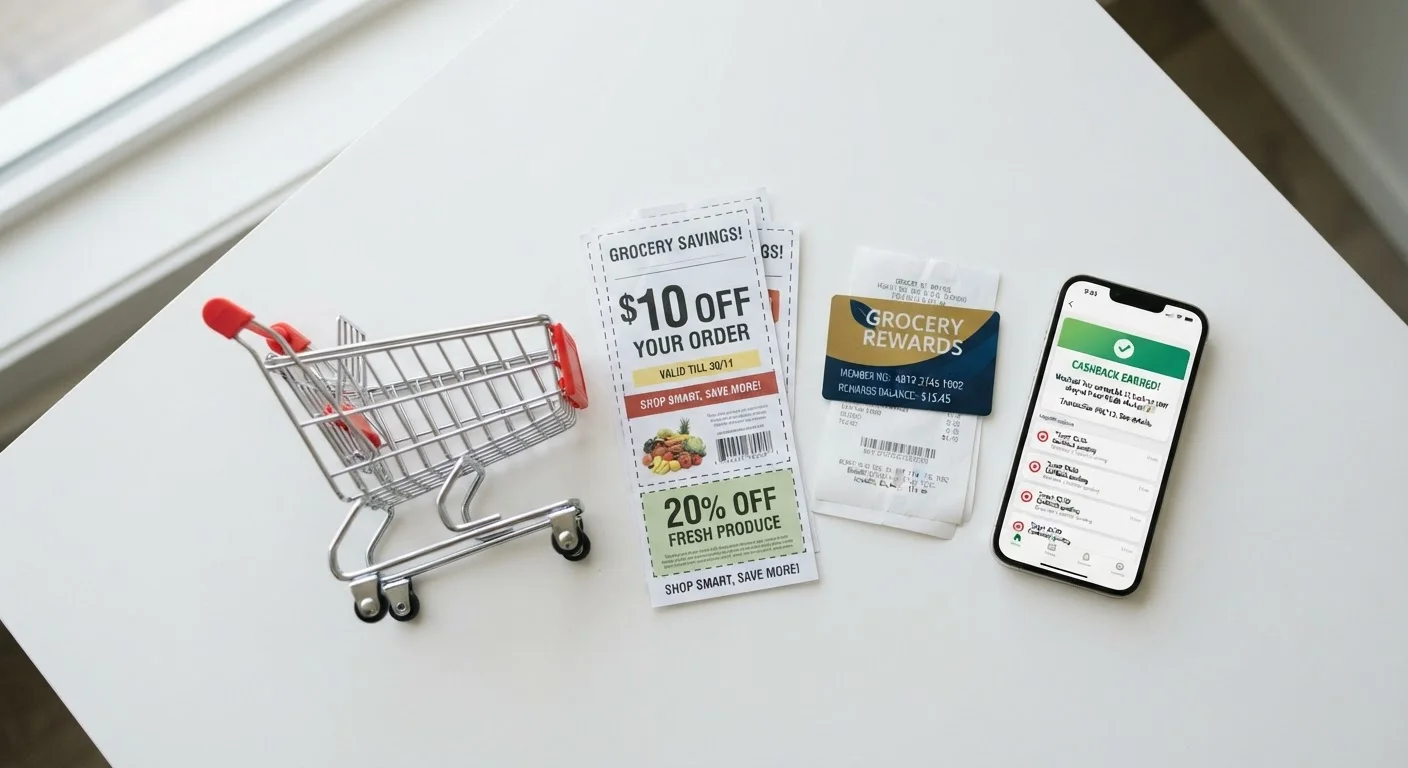
Stacking savings means applying more than one discount mechanism to a single purchase. In practice, this might look like clicking through a cashback portal, entering a promo code at checkout, and paying with a rewards credit card-three separate layers, each operating on a different part of the transaction.
The key distinction is that each savings type comes from a different source and tracks differently. Cashback portals earn from the retailer's affiliate program. Store coupons reduce the cart total. Credit card rewards are calculated by your card issuer on the amount charged. Because they operate in separate systems, they can often coexist-but the rules depend entirely on each retailer and program.
Where stacking breaks down is almost always between same-level discounts: two promo codes, two manufacturer coupons, or two store coupons on one item. Retailers typically block these combinations at the checkout system level. For a deeper look at how automatic discounts differ from coupon codes, see our explainer on coupon codes vs. automatic discounts.
Inflated Starting Prices Distort Stacked Savings
Before celebrating a multi-layered discount, verify the item's baseline price. Retailers sometimes raise prices before applying promotions, making a stack of discounts look impressive while delivering modest real savings. Our guide on phantom discounts and strikethrough pricing explains exactly how to spot this tactic.
What to Watch Out For
Even a well-executed stack can underdeliver if underlying assumptions are wrong. The most common pitfalls fall into a few categories:
- Cashback voidance: Using an unauthorized coupon code breaks the cashback portal's tracking. The portal earns its commission only when a tracked sale completes under its terms.
- Exclusion clauses: Sale items, clearance merchandise, and certain brands are frequently excluded from loyalty redemptions or coupon combinations. These exclusions are stated in the fine print but are easy to miss.
- Points expiration pressure: The urgency to use expiring points before a deadline can push you toward purchases you wouldn't otherwise make-a pattern that often results in net overspending. Our analysis of deal-hunting habits that undermine real savings covers this dynamic in detail.
- Subscribe-and-save restrictions: Subscription pricing tiers sometimes explicitly exclude additional coupon stacking. See the trade-offs in subscribe-and-save models for the full picture.
Activating a Coupon Can Void Your Cashback
Some cashback portals track purchases using referral cookies. Applying a coupon code not listed on that portal-or navigating away from the portal's link-can break the tracking chain and cancel your cashback entirely. Always apply cashback portal links last, and use only codes the portal itself provides.
Understanding which combinations are genuinely blocked-versus which just require a different order of operations-is what separates effective stacking from frustrated checkout attempts. The steps below walk through the reliable sequence.
Cashback Portal
Earns a percentage back on purchases made through the portal's tracked link before you check out.
Retailer Loyalty Account
Accumulates points or store credit redeemable on future purchases, often stackable with coupons.
Manufacturer Coupon
Issued directly by a product's maker; typically cannot be combined with a store coupon for the same item.
Store Coupon
Issued by the retailer; may stack with manufacturer coupons depending on store policy.
Credit Card Rewards
Earns points or cashback on the purchase total after other discounts are applied.
Putting It Together
The steps outlined above follow a deliberate sequence for a reason. Cashback portals must be activated before anything else because their tracking depends on how you arrive at the retailer's site. Coupons come next because they affect the cart total-and that total is what the credit card reward is ultimately calculated on. Loyalty points sit in the middle because their eligibility terms are most variable.
Test the Stack Before You Commit
Add items to your cart, apply all discounts, and review the final order summary line by line before entering payment details. If a discount didn't apply as expected, contact customer support before completing the purchase-not after. This one habit catches the majority of stacking errors without any extra research time.
One useful cross-check: if a deal requires multiple steps just to confirm it's real, treat that friction as a prompt to verify the baseline price. As noted in discussions of common savings myths, complexity in a deal's structure doesn't equal complexity in its actual value. Sometimes the simplest verified price beats an elaborate stack applied to an inflated number.
For further context on staying safe while shopping online and protecting your account credentials across portals and loyalty programs, the safe online shopping hub is a practical reference.