

| Number of OBD-II fault codes | Thousands across all vehicle systems (Society of Automotive Engineers (SAE) standard) |
| OBD-II required since | 1996 (all U.S. passenger vehicles) (U.S. EPA mandate) |
| TPMS required since | 2008 (all new U.S. passenger vehicles) (TREAD Act, NHTSA) |
| Safe tire pressure reference | Driver's door jamb sticker (not tire sidewall) (NHTSA consumer guidance) |
| Flashing CEL urgency | High - indicates active engine misfire (General OBD-II diagnostic convention) |
Why Warning Lights Exist (and Why You Shouldn't Ignore Them)
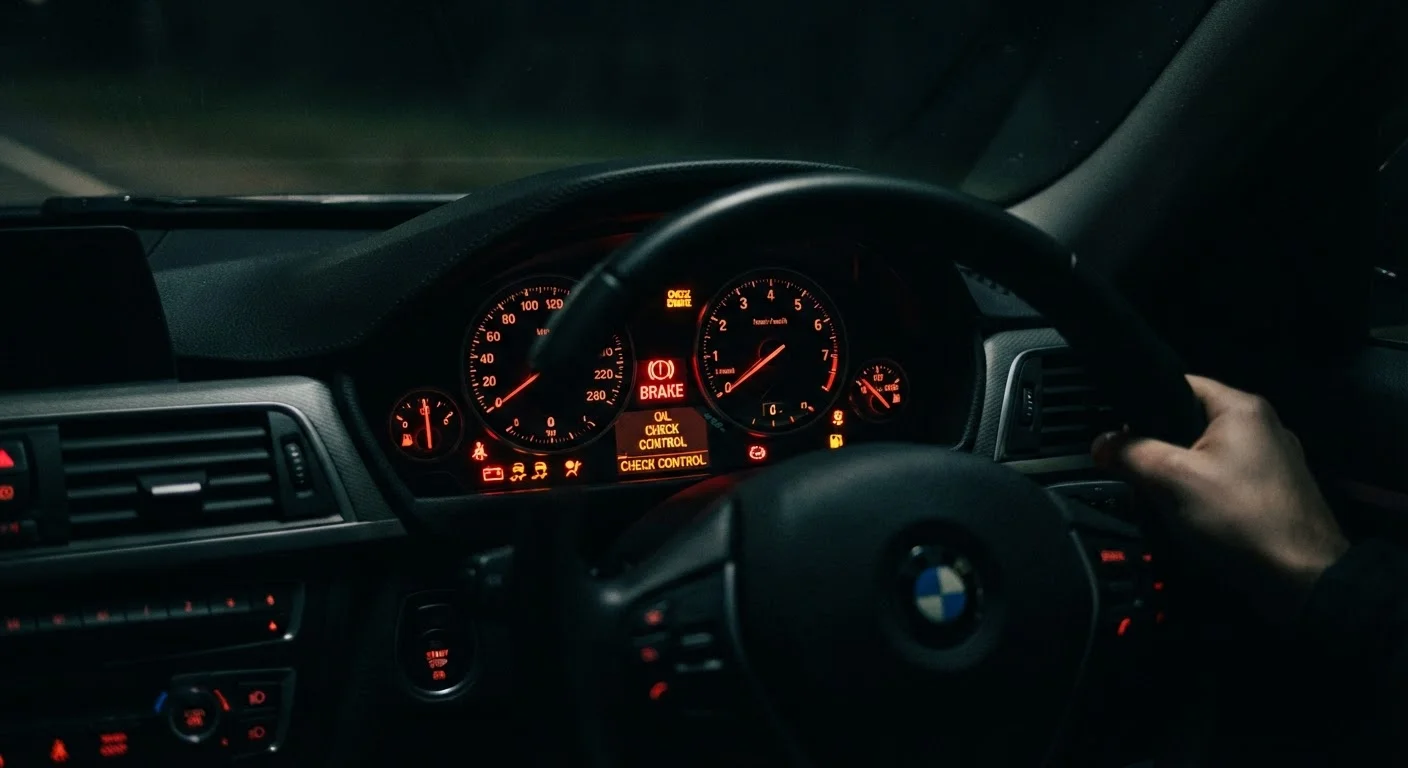
Your car's dashboard warning lights are part of an onboard diagnostics system that monitors dozens of vehicle functions simultaneously. When something falls outside normal operating parameters, a light activates to alert you. Some warnings are urgent - stop the car now. Others are reminders that service is coming due. The difference matters enormously.
A common mistake drivers make is assuming any light that doesn't kill the car immediately can wait. That reasoning has turned $200 sensor problems into $3,000 engine repairs. Consult your owner's manual for your vehicle's specific light definitions - general descriptions here apply broadly, but your manual has the final word.
| Number of OBD-II fault codes | Thousands across all vehicle systems (Society of Automotive Engineers (SAE) standard) |
| OBD-II required since | 1996 (all U.S. passenger vehicles) (U.S. EPA mandate) |
| TPMS required since | 2008 (all new U.S. passenger vehicles) (TREAD Act, NHTSA) |
| Safe tire pressure reference | Driver's door jamb sticker (not tire sidewall) (NHTSA consumer guidance) |
| Flashing CEL urgency | High - indicates active engine misfire (General OBD-II diagnostic convention) |
The Most Common Warning Lights, Explained
Check Engine Light (CEL)
This amber or orange light - often shaped like an engine outline - is one of the most misunderstood warnings. It can signal anything from a loose gas cap to a failing catalytic converter. If it's steady, schedule a diagnostic scan soon but you can typically drive short distances. If it's flashing, that indicates an active misfire that can damage your catalytic converter - reduce speed and get to a mechanic promptly.
Battery Warning Light
A red battery icon means your vehicle's charging system isn't maintaining adequate voltage. This could point to a failing alternator, a worn drive belt, or a battery near the end of its life. If this light comes on while driving, limit electrical use (turn off AC, heated seats) and head to a shop. For more context on what a weakening battery looks like before it fails completely, see signs your car battery is failing.
Oil Pressure Warning
A red oil can icon is one of the most serious lights you'll encounter. Low oil pressure can cause rapid engine damage within minutes of driving. Pull over safely, shut off the engine, and check the oil level. Do not continue driving until the cause is identified.
Tire Pressure Monitoring System (TPMS)
The TPMS light - an exclamation point inside a tire cross-section - means one or more tires are significantly underinflated (typically 25% or more below the recommended pressure). Check all four tires with a gauge and inflate to the spec listed on the driver's door jamb sticker, not the tire sidewall. Underinflated tires reduce fuel economy and handling safety.
Brake System Warning
A red circle with an exclamation mark or the word BRAKE can indicate low brake fluid, an engaged parking brake, or a more serious hydraulic system issue. First confirm your parking brake is fully released. If it is and the light remains, check brake fluid levels and see a mechanic before driving further. For a deeper look at how braking components interact, the braking system explainer is a useful next read.
Temperature Warning
A red thermometer icon in coolant waves means your engine is overheating. Pull over immediately, turn off the engine, and do not open the radiator cap while hot. Driving an overheating engine risks severe and expensive damage. Low coolant is a common cause - see our guide on vehicle fluids explained for more detail.
OBD-II
On-Board Diagnostics, second generation - a standardized system built into vehicles sold in the U.S. since 1996 that monitors engine and emissions performance and stores fault codes.
Fault Code (DTC)
A Diagnostic Trouble Code stored by the OBD-II system when a sensor reading falls outside acceptable limits. A scan tool reads these codes to help identify the source of a warning light.
TPMS
Tire Pressure Monitoring System - a sensor-based system that alerts the driver when one or more tires drop significantly below the recommended inflation pressure.
Catalytic Converter
An emissions control device in the exhaust system that converts harmful combustion byproducts into less harmful gases. It can be damaged by prolonged engine misfires.
Charging System
The combination of the alternator, battery, and related wiring that generates and stores electrical power to run the vehicle's systems while the engine is running.
Color Tells You How Urgently to Act
Dashboard lights follow a general color convention across most modern vehicles:
- Red: Immediate attention required. Stop driving or pull over safely as soon as possible.
- Amber/Orange: Action needed soon. Not an immediate emergency, but don't let it linger for weeks.
- Yellow: Similar to amber - monitor the situation and schedule service.
- Green or Blue: Informational only (e.g., high beams on, turn signal active). No action needed.
When in doubt about any unfamiliar symbol, a quick OBD-II scan at most auto parts retailers can read stored diagnostic codes and give you a starting point for the conversation with your mechanic. This is general information to guide that conversation - diagnosis and repair decisions are best made with a qualified technician.