

Key Takeaways
Mulch
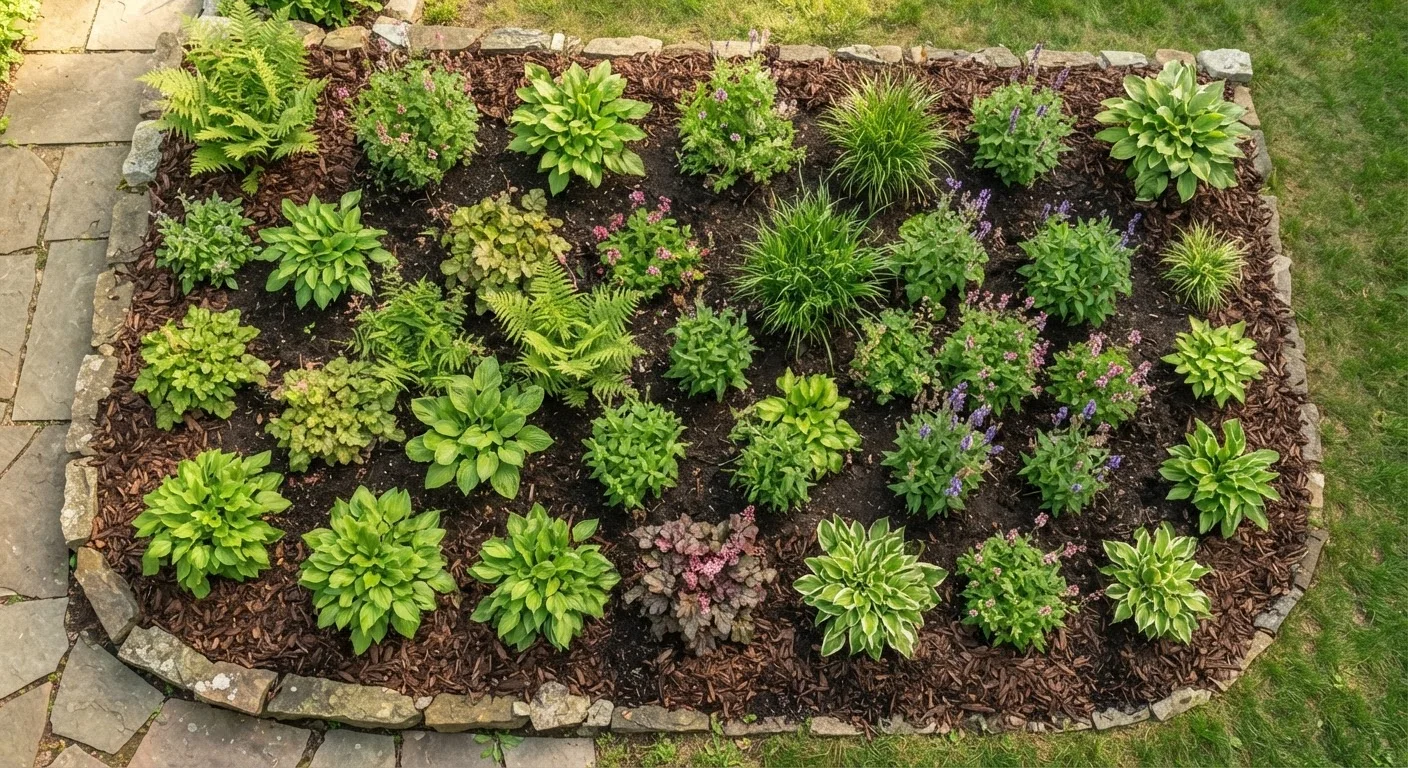
Mulch is any material spread over the surface of garden soil to protect and improve it. It can be organic - such as shredded bark, straw, or wood chips - or inorganic, like gravel or landscape fabric. Applied in a layer around plants, mulch works passively around the clock with virtually no effort after it's in place.
Organic mulches decompose over time, adding organic matter and nutrients to the soil profile, while inorganic mulches remain stable but contribute nothing biologically to soil health.
Why Mulch Earns Its Place in Any Garden
Few garden inputs offer as many simultaneous benefits as mulch. While fertilizers target one goal and irrigation another, mulch quietly handles five distinct jobs at once - making it one of the most efficient investments a gardener can make in terms of time and effort saved.
Whether you're maintaining a raised garden bed or working directly in the ground, understanding what mulch actually does - and how - will help you use it more strategically.
Up to 50%
Reduction in soil moisture loss
Research from cooperative extension programs indicates mulched beds can retain significantly more moisture than bare soil under the same conditions.
2-3 inches
Optimal mulch depth for most garden beds
University extension horticulture guidelines consistently recommend this depth as effective without risking root suffocation or fungal problems.
10°F or more
Soil temperature moderation possible
Studies on mulched vs. unmulched plots suggest mulch can reduce peak summer soil temperatures by meaningful margins, protecting root systems.
Job 1 and 2: Weed Suppression and Moisture Retention
These two benefits tend to be what most homeowners notice first. Weeds need light to germinate, and a properly applied mulch layer physically blocks that sunlight from reaching the soil surface. The result is far fewer weed seedlings emerging - and far less time spent pulling them.
At the same time, mulch dramatically slows evaporation from the soil surface. Bare soil can lose significant moisture within hours of watering in warm, sunny conditions. A mulch layer acts as a buffer, keeping that water where plant roots can actually access it. This pairs especially well with strategies from our guide on common watering mistakes - less surface evaporation means your watering schedule can be less frequent without harming plants.
Job 3: Soil Temperature Regulation
Soil temperature swings can stress plant roots more than most gardeners realize. In summer, exposed soil can heat up to levels that damage fine feeder roots. In winter, freeze-thaw cycles heave soil and can push shallow-rooted plants right out of the ground.
Mulch insulates against both extremes. It slows heat gain in summer and slows heat loss in winter, keeping the root zone in a more stable, plant-friendly range. This is particularly valuable in climates with harsh seasonal shifts, and it's one reason seasoned gardeners apply a fresh layer each fall.
Avoid the 'Mulch Volcano' Mistake
Piling mulch up against tree trunks or plant stems is one of the most common - and damaging - mulching errors. This practice traps moisture against bark, encourages rot, and can attract boring insects. Always keep mulch pulled back 2-3 inches from the base of any plant.
Job 4: Feeding Soil Biology
Organic mulches don't just sit on top of the soil - they slowly decompose, feeding the bacteria, fungi, and invertebrates that make healthy soil function. This microbial activity breaks down organic matter into forms that plant roots can absorb, improves soil structure, and builds long-term fertility.
Think of it as a slow, passive form of soil amendment that complements active practices like home composting. While compost works faster as a concentrated nutrient source, mulch sustains biological activity over a longer period. Together, they support a thriving below-ground ecosystem that reduces the need for synthetic inputs - a balance explored in depth in our article on organic vs. synthetic fertilizers.
Job 5: Erosion Control
Bare soil is vulnerable. Raindrops hit exposed ground with enough force to displace soil particles, and water running across the surface carries those particles - and their nutrients - away. On even a gentle slope, this erosion can be significant over a season.
Mulch absorbs raindrop impact and slows surface water flow, giving water time to infiltrate rather than run off. This keeps topsoil in place and reduces sediment runoff into drains and waterways. For homeowners with sloped beds or gardens near paved surfaces, this erosion-control function alone justifies regular mulching.
Paired with native plantings, which develop deep root systems that also stabilize soil, mulch forms part of a broader, low-maintenance landscape strategy.
A homeowner with a vegetable garden in a hot, dry climate struggles with daily watering to keep tomatoes from wilting.
A backyard flower bed on a gentle slope develops bare patches each spring as winter rains wash away topsoil.
A first-time gardener spends hours each weekend pulling weeds from around newly planted perennials.
A homeowner notices their aging garden beds seem compacted and poorly draining after years of bare soil.
Choosing and Applying Mulch Correctly
Not all mulches perform identically. Shredded hardwood and wood chips are durable and widely available. Straw works well in vegetable gardens. Pine needles suit acid-loving plants. Gravel or stone is appropriate for xeriscaping or areas where you want no decomposition. The right choice depends on your plants, aesthetic, and goals.
Regardless of type, application technique matters. Spread mulch 2-3 inches deep across the bed surface, pulling it back a few inches from plant stems, tree trunks, and the base of woody shrubs. Piling mulch against stems - sometimes called a "mulch volcano" - traps moisture against bark, inviting rot and pest activity.
Refresh organic mulch once a year by topping up the existing layer rather than removing it. The decomposing bottom layer is biologically active and worth preserving. A quick rake to break up any compacted surface crust helps maintain good water penetration.